

Private GP
Private GP Appointments and Prescriptions in Knightsbridge: A Guide
Everything you need to know before booking a private GP in London: how appointments work, what they cost, how they compare with the NHS, what a private prescription is and how pharmacies dispense it, the extra rules for controlled drugs, and when NHS 111, 999 or A&E is the right call instead.
 By Fatemeh, Founder & Lead Practitioner, Levirgo Aesthetics Clinic 18 min read
Reviewed September 2026
What is a private GP appointment and how does it work?
A private GP appointment is a consultation with a GMC-registered doctor that you pay for directly, usually booked without registering or needing a referral. It typically includes a history, examination where needed, advice, and a plan that may involve a prescription, tests or referral. You stay registered with your NHS GP.
Private general practice works on a pay-per-appointment basis. You choose when to book, and many clinics offer same-day or next-day slots. In England, independent doctors and clinics are regulated by the Care Quality Commission (CQC), and every doctor must be registered with the General Medical Council (GMC), whose online register lets you check a doctor’s registration. Knowing both before you book is a simple safety step.
- Book directly
By phone, message or online. No referral is needed. Say briefly what the appointment is for so the right length of slot is booked.
- Prepare
Bring a list of current medicines with doses, allergies, recent test results and, if you have one, a summary from your NHS GP record.
- Consultation
The doctor takes a history, examines you where needed, explains what they think is going on and discusses options with you.
- Plan
You leave with advice and, where appropriate, a private prescription, blood tests or scans, or a referral letter.
- Follow-up and sharing
Results are reviewed and explained, and with your consent a summary is sent to your NHS GP so your records stay up to date.
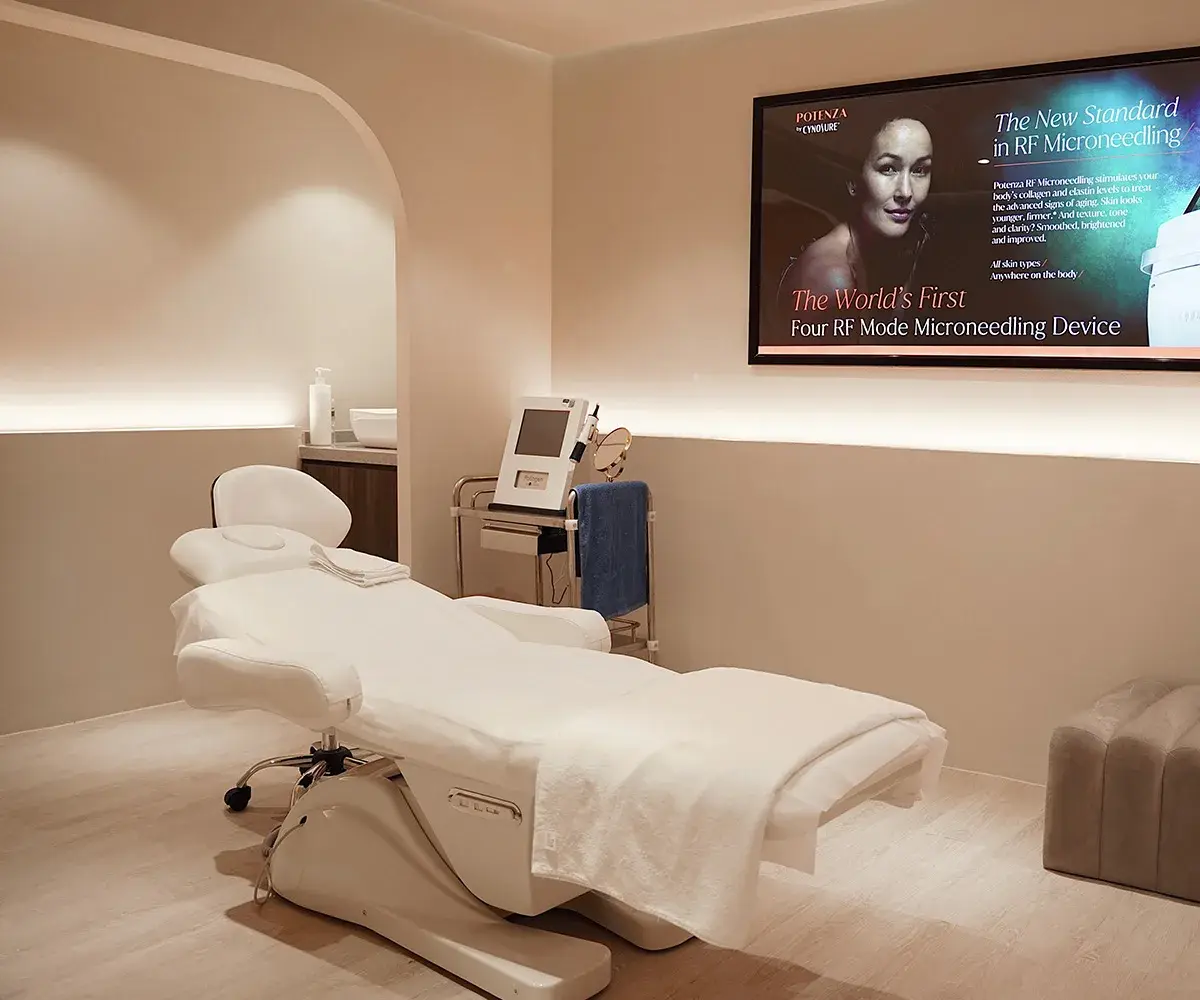
At Levirgo, private GP appointments are available same-day and next-day, typically last up to 30 minutes, and can be booked by phone, WhatsApp or online. A friend or family member is welcome to join you, and multilingual staff are available on request.
NHS GP vs private GP: what is the difference?
The main differences are cost, access and time. NHS GP care is free at the point of use and coordinates your long-term care. A private GP charges per appointment but often offers faster booking and longer consultations. In the 2026 GP Patient Survey, 76.7% rated their NHS practice positively overall.
Private and NHS general practice are not in competition for most people; they do different jobs. NHS general practice holds your full medical record, manages long-term conditions, runs screening and vaccination programmes, and is free. Private general practice is useful when you want to be seen quickly, want more time with a doctor, are visiting London without a local GP, or need services the NHS does not usually provide, such as travel or employment medicals.
| Feature | NHS GP | Private GP |
|---|---|---|
| Cost | Free at the point of use | Paid per appointment, test or document |
| Registration | Registered with a practice for your area | Usually not needed; book directly |
| Access | Varies by practice and demand | Often same-day or next-day |
| Appointment length | Set by the practice | Often longer; at Levirgo typically up to 30 minutes |
| Medical record | Holds your full NHS record | Holds records of private care; shares with your GP with consent |
| Prescriptions | NHS prescription charge or exemption | Private prescription paid at pharmacy price |
| Long-term conditions and screening | Core role of NHS general practice | Can support, but ongoing NHS care usually continues |
| Regulation | CQC and GMC | CQC and GMC |
Survey figures: GP Patient Survey 2026 (Ipsos on behalf of NHS England). Access and appointment length vary between both NHS and private providers.
What can a private GP help with, and what are the limits?
A private GP can assess new symptoms, review medicines, issue private prescriptions, arrange blood tests and scans, provide certain medical reports and letters, and refer you to specialists. Private GPs are not an emergency service, cannot see your NHS record automatically, and usually work alongside your NHS GP for complex long-term care.
- New or worrying symptoms that you would like assessed promptly
- General health checks and discussions about women’s and men’s health
- Skin concerns such as acne, eczema, rashes and changing moles, through a doctor-led dermatology consultation
- Medication reviews and new or repeat private prescriptions where clinically appropriate
- Blood tests, ultrasound and scans arranged with fast turnaround
- Weight and hormone concerns, including conditions such as PCOS and medical weight management
- Specialist referrals to private consultants, or advice on NHS referral routes
Get more from your appointment
Write down your main question first, when symptoms started, what makes them better or worse, and what you have already tried. Bring medicine packaging or a repeat slip if you want a medicine reviewed or continued. It saves time and makes safer prescribing possible.
There are limits. A private GP does not have automatic access to your NHS record, so they rely on what you tell them and on information you share. Some medicines, particularly controlled drugs, have extra rules and may not be prescribed at a first appointment. Complex or unstable long-term conditions are generally best managed with your NHS GP and specialists, with private care supporting rather than replacing that. And a clinic appointment is never the right choice in an emergency.
How much does a private GP appointment cost in London?
In London, a standard private GP consultation typically costs about £95 to £250, with longer or complex appointments around £180 to £350. Private prescriptions, letters and tests are usually charged separately: about £15 to £40 for issuing a prescription, plus the pharmacy’s charge for the medicine, and £60 to £300 for blood test panels.
| Service | Typical London price | Ask before booking |
|---|---|---|
| Standard consultation (up to about 30 minutes) | £95 to £250 | Is a follow-up or results call included? |
| Extended or complex consultation | £180 to £350 | Is this needed for my concern? |
| Video or telephone consultation, where offered | £70 to £180 | Can the doctor prescribe safely without examining me? |
| Private prescription issue | £15 to £40, plus pharmacy medicine cost | Is the prescription fee included in the consultation? |
| Fit note equivalent or standard letter | £20 to £60 | Will my employer or insurer accept it? |
| Blood test panels | £60 to £300, depending on tests | Who explains the results? |
Indicative 2026 London market ranges, not a Levirgo price list. Fees vary by clinic and appointment type, and should be confirmed before you book.
Some private medical insurance policies include a GP service or cover private GP visits; many do not cover routine GP care. Check your policy and ask for an itemised receipt if you plan to claim. For current Levirgo appointment availability and fees, book online or contact the clinic.
What is a private prescription?
A private prescription is a prescription written outside the NHS, for which you pay the full price the pharmacy charges for the medicine. It must meet the same legal requirements as any prescription: signed by the prescriber, with their address, the date, the type of prescriber, and your name and address. Most are valid for 6 months.
The legal rules for prescription-only medicines are set out in the Human Medicines Regulations 2012. Regulation 217 lists the conditions a prescription must meet for a pharmacy to supply a prescription-only medicine against it. These apply whether the prescription is NHS or private, although electronic prescriptions and controlled drugs have additional rules.
| Requirement | What it means in practice |
|---|---|
| Signed by the prescriber | Signed in ink by the doctor or other appropriate practitioner, or a compliant electronic signature |
| Indelible | Written in ink or otherwise so it cannot be erased |
| Prescriber’s address | So the pharmacy can verify and contact the prescriber |
| The appropriate date | Usually the date it was signed |
| Type of prescriber | For example, doctor, dentist or independent prescriber |
| Your name and address | The person the medicine is for |
| Your age if under 12 | Needed for children under 12 |
| Validity | Not dispensed more than 6 months after the appropriate date, unless a controlled drug with a shorter limit |
Source: The Human Medicines Regulations 2012, regulation 217, on legislation.gov.uk. Regulation 219 covers electronic prescriptions.
A private prescription can be repeatable. If the prescriber does not say how many times it can be dispensed, the law allows it to be dispensed no more than twice, or for an oral contraceptive up to six times within six months. At Levirgo, private prescriptions are issued only after a consultation and only where clinically appropriate, with same-day prescriptions available when needed.
How do pharmacies dispense private prescriptions, and what will I pay?
You take a private prescription to a community pharmacy of your choice, which checks it and sets the price, usually based on the medicine’s cost plus a dispensing fee. The NHS charge of £9.90 per item in England does not apply, and neither do free prescription exemptions or prepayment certificates, so prices vary between pharmacies.
Source: NHS Business Services Authority, prescription prepayment certificate prices and HC12 rates of charges (April 2026). A 12-month prepayment certificate saves money if you need more than 11 NHS items in a year. None of these apply to private prescriptions.
Because pharmacies set their own private prices, it can be worth phoning two or three for a quote on an expensive medicine. For some inexpensive medicines, a private prescription can cost less than the NHS charge; for newer or specialist medicines it can cost far more. Pharmacists also make their own professional checks and can decline to supply if something is unclear or unsafe, so make sure the prescription is legible and complete.
- Check the prescription before leaving the clinic: your name, address, the medicine, strength, dose and quantity.
- Choose a pharmacy and, for anything costly or unusual, ask whether it is in stock and what it will cost.
- Hand it in or arrange an electronic transfer if your prescriber offers it.
- Pay the pharmacy’s price and keep the receipt if you might claim on insurance.
- Keep your medicine information and tell your NHS GP about new medicines, so your record stays complete.
Need to see a doctor soon?
Book a same-day or next-day private GP appointment in Knightsbridge, with time to talk things through and a clear plan for what happens next.
Can a private GP prescribe controlled drugs?
Yes, but with stricter rules. In England, private prescriptions for Schedule 2 and 3 controlled drugs must be written on form FP10PCD with the prescriber’s six-digit identification number. Prescriptions for Schedule 2, 3 and 4 drugs are valid for only 28 days, and supplies are usually limited to 30 days.
Controlled drugs are medicines with potential for misuse or dependence, such as strong opioid painkillers, some sleeping tablets and certain stimulants. They are divided into schedules with different legal controls. Private prescriptions for Schedule 2 and 3 drugs are monitored: pharmacies in England submit FP10PCD forms to NHS Prescription Services each month for audit.
| Schedule | Examples of the type of medicine | Prescription valid for | Repeatable? |
|---|---|---|---|
| Schedule 2 | Strong opioids such as morphine, some stimulants | 28 days | No |
| Schedule 3 | Some painkillers and other medicines with misuse potential | 28 days | No |
| Schedule 4 | Many benzodiazepines and some sleeping tablets | 28 days | Yes, first dispensing within 28 days |
| Schedule 5 | Low-strength preparations of some controlled medicines | 6 months | Yes |
Sources: Community Pharmacy England, Dispensing controlled drugs factsheet and controlled drug prescription forms and validity; NHS, NHS prescription charges. For Schedules 2, 3 and 4, quantities are strongly recommended to be limited to 30 days’ supply.
Why you may not get a controlled drug at a first visit
Responsible prescribers check what you already take, why, and who else prescribes for you, before issuing a medicine that can cause dependence or harm if combined with others. Without records or consent to contact your regular GP, a private doctor may decline to prescribe. This is a safety safeguard, not a judgement. Bring evidence of your current prescription and consider consenting to information sharing.
General Medical Council guidance asks doctors who are not a patient’s regular GP to seek consent to contact that GP when more information is needed before prescribing, and to explain the risks if the patient refuses. If not sharing information would put the patient at risk, the doctor should explain that they cannot prescribe and signpost alternatives.
Can I use private and NHS care together?
Yes. Government guidance states that the NHS should not withdraw NHS care because a patient chooses to pay for additional private care, but the two must be delivered separately. Your NHS GP can prescribe a medicine suggested privately if it is clinically appropriate and they accept responsibility, but is not obliged to.
The Department of Health guidance on NHS patients who wish to pay for additional private care came into force in March 2009. Its key points are that NHS organisations should not withdraw NHS care simply because a patient buys additional private care, that private care must be delivered separately from NHS care, and that the NHS should continue to provide free of charge all the care the patient would have been entitled to anyway.
| Situation | What usually happens |
|---|---|
| A private doctor recommends a medicine | Your NHS GP may prescribe it if clinically appropriate, normally funded locally and they accept clinical responsibility; otherwise it stays a private prescription |
| A specialist-only or shared-care medicine | Usually stays with the specialist until any shared-care criteria are met |
| Returning to the NHS after private treatment | You can ask to move back; you may be reassessed and join standard NHS waiting times |
| Paying back private costs | The NHS does not usually reimburse treatment received privately before you move back |
| Keeping records joined up | With your consent, private clinicians share summaries with your NHS GP |
Sources: Department of Health, Guidance on NHS patients who wish to pay for additional private care (2009); NHS Coventry and Warwickshire advice sheet on NHS and private healthcare, reflecting NHS England’s interim commissioning policy. Local policies vary.
In practice, the smoothest approach is to tell both doctors what the other is doing. If a private GP starts a medicine you expect to take long term, agree early who will prescribe and monitor it, so there is no gap when you run out.
Referrals, tests, fit notes and medical letters
A private GP can arrange tests and scans and refer you to specialists. For work, you can self-certify for the first 7 days of sickness. After that you need a fit note; doctors in private practice who are not treating you as an NHS patient provide a report that meets the fit note rules instead of the NHS form.
- Tests and imaging: blood tests, ultrasound and scans can be arranged privately, with results explained and, with consent, shared with your GP.
- Specialist referrals: to a private consultant of your choice; for NHS specialist care, your NHS GP usually makes or confirms the referral within local pathways.
- Fit notes: employees must give their employer a fit note if ill for more than 7 days in a row. NHS fit notes for more than 7 days are free; a fee may apply for 7 days or less.
- Private fit note equivalents: government guidance says doctors in private practice not treating NHS patients produce a report containing the required information, which counts as a form “to like effect”.
- Letters and reports: for insurance, travel, school or employment, usually charged as a separate administrative fee.

If you are worried about a mole, Levirgo also offers single mole checks and full-body mole and blemish checks, and our skin treatments page covers removal options once a lesion has been assessed.
When should I use NHS 111, 999 or A&E instead?
Call 999 for life-threatening emergencies such as a suspected heart attack or stroke. Go to A&E for serious injuries and life-threatening emergencies. Use NHS 111 online or by phone if you need urgent help and are not sure where to go, or your GP is closed. A private GP clinic is not an emergency service.
Call 999 now if you or someone else has
Signs of a stroke: face drooping, arm weakness or speech problems (remember FAST: face, arms, speech, time to call 999), even if symptoms have stopped. Chest pain that feels tight or squeezing, or spreads to the arms, neck or jaw. Severe difficulty breathing, such as gasping, choking or being unable to get words out. Pale, blue or grey lips or skin, or someone who has passed out and is not responding normally. Do not drive yourself to A&E.
| Situation | Where to go |
|---|---|
| Life-threatening emergency, such as suspected stroke or heart attack, or a serious road accident | Call 999 |
| Serious injury or life-threatening illness | A&E, open 24 hours a day |
| Urgent symptoms and unsure where to go, or GP closed | NHS 111 online (age 5 and over) or call 111 |
| Child under 5 needing urgent advice | Call 111 |
| Run out of a regular repeat medicine | 111 online emergency prescription service, or a pharmacy |
| Non-urgent concern you would like seen soon | Your NHS GP or a private GP appointment |
Sources: NHS pages on when to call 999, when to go to A&E, when to use NHS 111, emergency prescriptions, stroke symptoms and heart attack.

For urgent but non-emergency needs outside usual hours, Levirgo can arrange out-of-hours private GP appointments on request, subject to availability. If symptoms worsen while you wait, use NHS 111 or call 999.
Private GP care at Levirgo in Knightsbridge
Levirgo offers same-day and next-day private GP appointments at 6 Beauchamp Place, Knightsbridge, a few minutes’ walk from Harrods and Knightsbridge Underground station on the Piccadilly line. Consultations typically last up to 30 minutes, no referral is needed, and prescriptions, tests and referrals can be arranged where appropriate.
- Time to talk: unhurried consultations, typically up to 30 minutes.
- Fast access: same-day and next-day appointments, with out-of-hours appointments on request.
- Joined-up services: prescriptions, dermatology consultations, mole checks and medical weight management in one clinic.
- Tests and referrals: private blood tests, ultrasound and scans with fast turnaround, and referrals through trusted partners.
- Discreet and central: convenient for Belgravia, Chelsea, Mayfair and Sloane Square.
Frequently asked questions
How much does a private GP appointment cost in London?
A standard private GP consultation in London typically costs about £95 to £250, with extended or complex appointments around £180 to £350. Private prescriptions, letters and tests are usually charged separately, and you also pay the pharmacy for any medicine prescribed. Fees vary between clinics, so check what is included, such as follow-up or results, before you book.
Do I have to leave my NHS GP to see a private GP?
No. You stay registered with your NHS GP and can use both. Department of Health guidance says the NHS should not withdraw NHS care because you choose to pay for additional private care. It helps to consent to your private GP sharing a summary with your NHS GP, so your records and prescribing stay safe and complete.
How does a private prescription work?
After a consultation, if a medicine is clinically appropriate, the private GP issues a prescription that you take to a pharmacy of your choice. The pharmacy sets the price, usually the medicine cost plus a dispensing fee. The NHS charge of £9.90 per item, free prescription exemptions and prepayment certificates do not apply. Most prescriptions are valid for 6 months.
How long is a private prescription valid for?
Under the Human Medicines Regulations 2012, a prescription for a prescription-only medicine cannot be dispensed more than 6 months after its appropriate date, usually the date it was signed. Prescriptions for Schedule 2, 3 and 4 controlled drugs are valid for only 28 days. Schedule 5 controlled drugs follow the 6-month limit.
Is a private prescription more expensive than an NHS prescription?
It depends on the medicine. For some inexpensive, common medicines, a private prescription can cost less than the £9.90 NHS charge. For newer, branded or specialist medicines it can cost much more. Because each pharmacy sets its own private prices, it is worth asking for a quote, especially for long-term or costly medicines.
Can a private GP prescribe controlled drugs?
Yes, within strict rules. Private prescriptions for Schedule 2 and 3 controlled drugs in England must be written on form FP10PCD with the prescriber’s identification number, are valid for 28 days, cannot be repeatable, and supplies are usually limited to 30 days. Many doctors will not start a controlled drug at a first visit without records or information from your regular GP.
Will my NHS GP take over a prescription started privately?
Not automatically. Your NHS GP can prescribe a medicine recommended privately if it is clinically appropriate, normally funded locally, and they are willing to accept clinical responsibility. Specialist-only medicines usually stay with the specialist. If your GP declines, you may continue on private prescriptions or ask about an NHS referral.
Can a private GP give me a sick note for work?
You can self-certify for the first 7 days of sickness. For longer absences your employer needs a fit note. Government guidance says doctors in private practice who are not treating NHS patients provide a report with the required information, which counts as an equivalent to the NHS fit note. Some employers have their own rules, so it is worth checking.
Can a private GP refer me to a specialist?
Yes. A private GP can refer you directly to a private consultant, often with quick access. For NHS specialist care, referral routes and local criteria apply, and your NHS GP usually makes or confirms the referral. If you move from private to NHS care, you may be reassessed and join standard NHS waiting times.
Should I see a private GP or call NHS 111?
Use NHS 111 online or call 111 if you need urgent medical help and are not sure where to go, or your GP is closed. Call 999 for life-threatening emergencies such as a suspected stroke or heart attack. A private GP appointment suits concerns you want seen soon that are not emergencies, and where you would value more time with a doctor.
What should I bring to a private GP appointment?
Bring a list of your current medicines with doses, any allergies, recent test results or letters, and medicine packaging or a repeat slip if you want a prescription reviewed. A summary from your NHS GP record is helpful for complex histories. Writing down your main questions beforehand helps you make the most of the appointment.
Where can I see a private GP in Knightsbridge?
Levirgo Aesthetics Clinic offers same-day and next-day private GP appointments at 6 Beauchamp Place, Knightsbridge, London SW3 1NG, a few minutes’ walk from Harrods and Knightsbridge Underground station on the Piccadilly line. No referral is needed. Book online, message the clinic on WhatsApp, or call +44 (0)20 3728 1234.
Levirgo Aesthetics Clinic · Knightsbridge
Unhurried private GP care in Knightsbridge
Same-day and next-day appointments at 6 Beauchamp Place, with prescriptions, tests and referrals where appropriate. No referral needed. In an emergency, call 999.
Sources & further reading
- The Human Medicines Regulations 2012, regulation 217: requirements for prescriptions
- NHS. NHS prescription charges and prescription validity
- NHS Business Services Authority. NHS Prescription Prepayment Certificate (PPC)
- Community Pharmacy England. Dispensing controlled drugs factsheet
- Community Pharmacy England. Controlled drug prescription forms and validity
- Ipsos. 2026 GP Patient Survey results released
- Department of Health. Guidance on NHS patients who wish to pay for additional private care (2009)
- GOV.UK. Taking sick leave: fit notes and self-certification
- DWP. Getting the most out of the fit note: guidance for healthcare professionals
- NHS. When to use NHS 111 online or call 111
- NHS. When to call 999
- NHS. Symptoms of a stroke
- Care Quality Commission. Independent doctors and clinics: information for providers
This article is general information about private GP services and prescribing in England and is not medical or legal advice. It does not replace assessment by a clinician, and prescribing decisions are made individually. In an emergency call 999; if you need urgent advice and are unsure where to go, use NHS 111. Prices are indicative London ranges for 2026 and should be confirmed with the clinic before booking.