
Face treatments
Anti-Wrinkle Injections in Knightsbridge: The Complete Guide
How botulinum toxin softens expression lines, which areas it treats, how dosing keeps your face natural, what the clinical trials show, how to choose a safe prescriber in the UK, and what treatment really costs in London.
 By Fatemeh, Founder & Lead Practitioner, Levirgo Aesthetics Clinic 20 min read
Reviewed September 2026
What are anti-wrinkle injections and how do they work?
Anti-wrinkle injections are tiny doses of botulinum toxin type A placed into specific facial muscles. The medicine temporarily blocks the nerve signal that makes the muscle contract, so the skin above it folds less and expression lines soften. Nerve signalling gradually recovers, so the effect wears off over several months.
Every time you frown, raise your eyebrows or squint, small muscles pull the skin into folds. Over years, those repeated folds become the familiar frown lines between the brows, horizontal forehead lines and the fan of crow’s feet at the outer eye. Botulinum toxin works on the junction between nerve and muscle, reducing the release of acetylcholine, the chemical messenger that tells the muscle to contract. A treated muscle still exists and still works a little; it simply cannot pull as hard.
In the UK, botulinum toxin is a prescription-only medicine. NHS guidance on choosing a practitioner explains that it can only be prescribed after a consultation with a healthcare professional such as a doctor or nurse prescriber, and that the prescriber must make sure whoever injects it is trained to do so. That is why a proper consultation is not a formality: it is a legal and clinical requirement.
Dynamic lines respond best
Look in a mirror with a relaxed face. If a line disappears at rest and only appears when you move, it is a dynamic line and usually responds very well. If it is still visible on a still face, it is a static line: toxin can soften it over time, but skin-quality treatments often do the heavy lifting. Our guide to fine lines and wrinkles explains the full toolkit.
Those figures, from the International Society of Aesthetic Plastic Surgery (ISAPS) 2024 survey, make botulinum toxin the most common non-surgical aesthetic treatment in the world for both women and men. Popularity is not the same as suitability, though, and the rest of this guide is about deciding whether it is right for your face.
Which areas can anti-wrinkle injections treat?
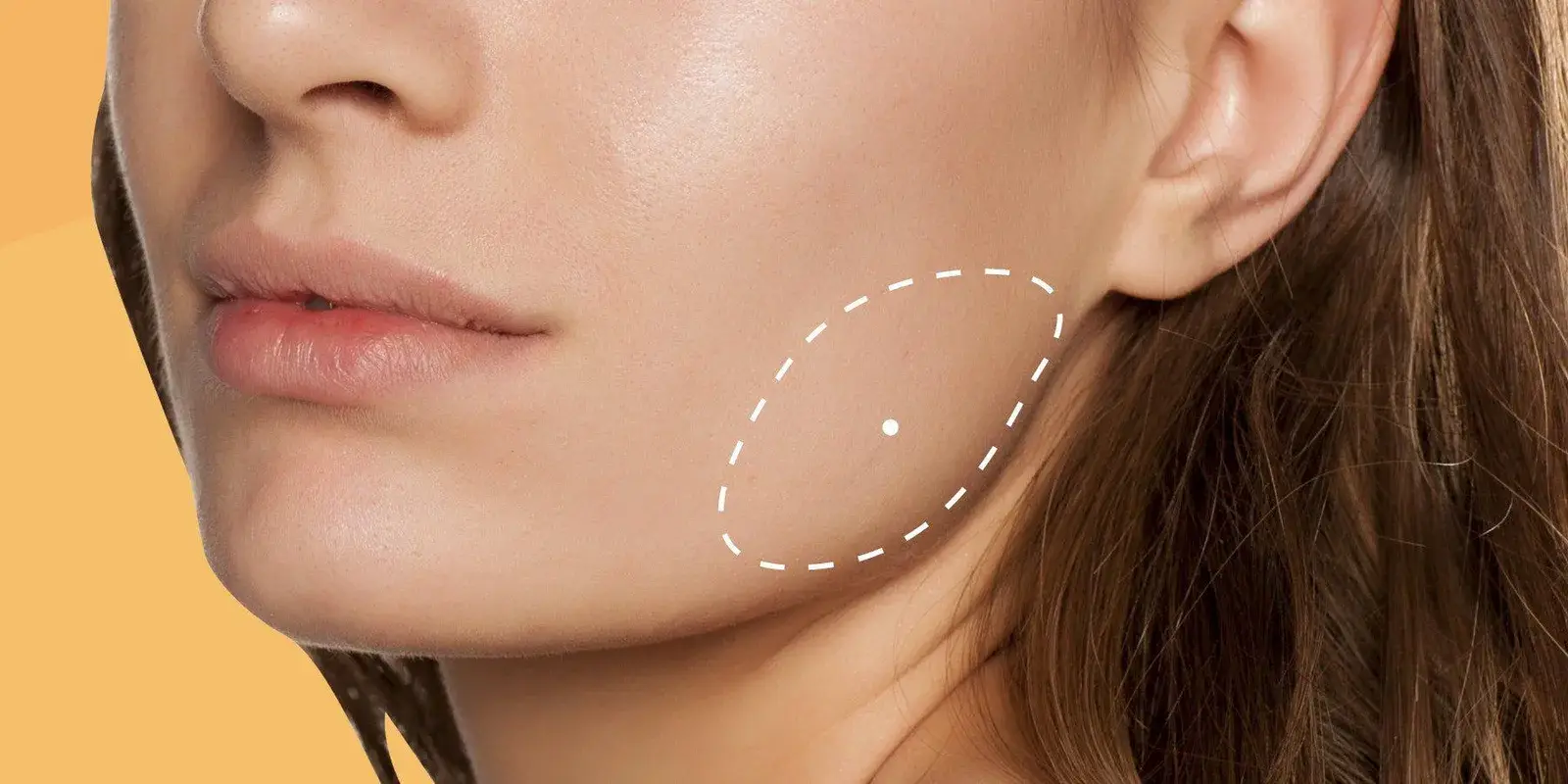
The most common areas are the frown lines between the brows, horizontal forehead lines and crow’s feet. Experienced prescribers also treat bunny lines, a downturned mouth, neck bands and the masseter muscle for jaw slimming or clenching, and use the same medicine for excessive underarm sweating.
| Area | Muscle involved | What treatment aims to do | Experience needed |
|---|---|---|---|
| Frown lines (glabella) | Corrugators and procerus | Soften the vertical “11” lines and a cross or tired expression | Standard |
| Forehead lines | Frontalis | Smooth horizontal lines while keeping brow position | Standard, balanced with the frown area |
| Crow’s feet | Outer orbicularis oculi | Soften fanning lines when smiling | Standard |
| Brow shaping | Brow depressors | A subtle lift of the tail of the brow | Advanced |
| Bunny lines | Nasalis | Soften scrunch lines on the upper nose | Advanced |
| Downturned mouth corners | Depressor anguli oris | Reduce a downward pull at the corners of the mouth | Advanced |
| Neck bands | Platysma | Soften vertical cords in the neck | Advanced |
| Jaw (masseter) | Masseter | Slim a square lower face; ease clenching | Advanced |
| Underarms | Sweat glands (not muscle) | Reduce excessive sweating (hyperhidrosis) | Standard |
Suitability and dose for each area are decided at a face-to-face assessment. Advanced areas carry a higher risk of unwanted effects on nearby muscles and should only be treated by experienced prescribers.
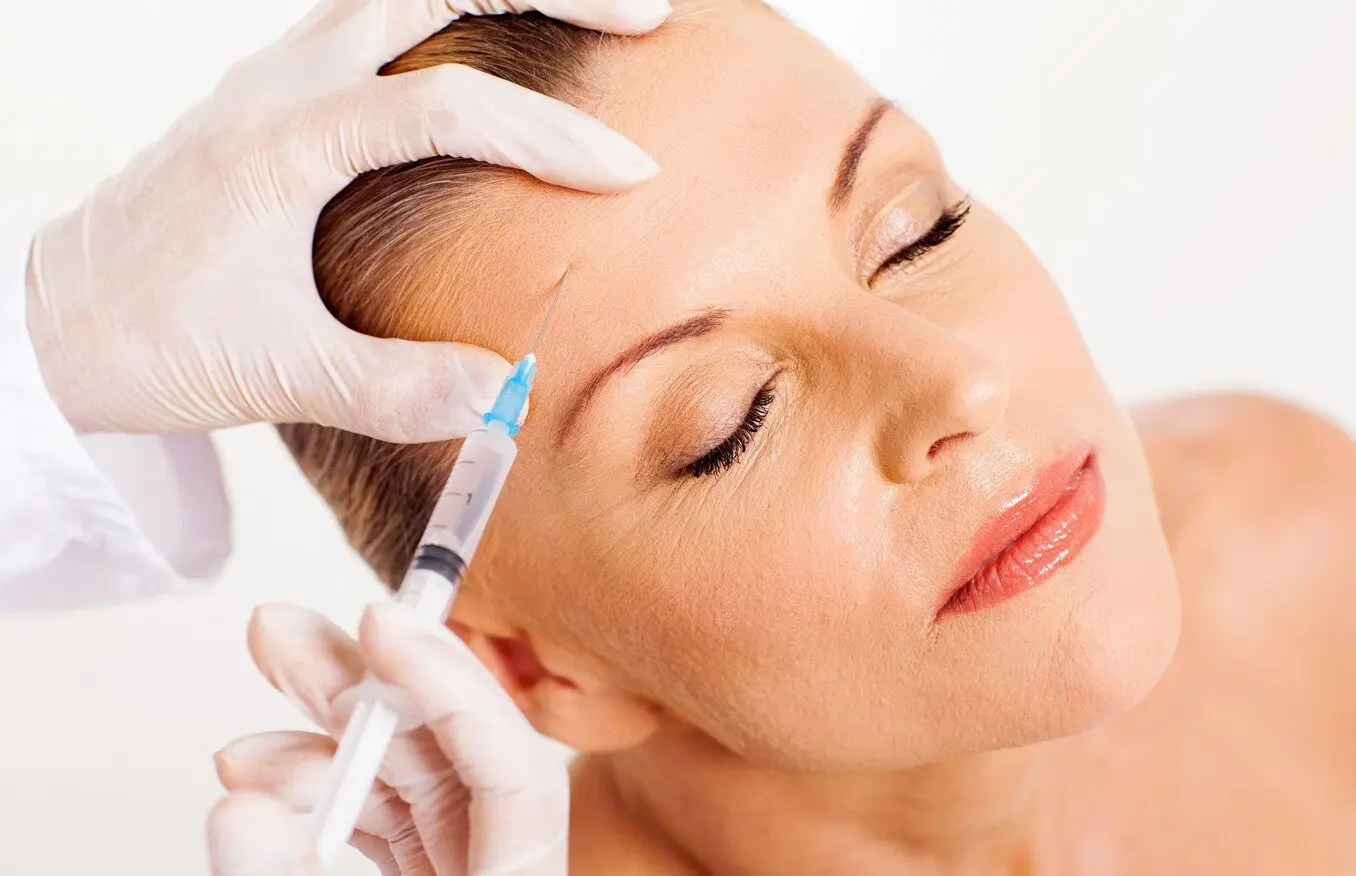
The upper face (frown, forehead and crow’s feet) is where the evidence is strongest and where most people start. Lower-face and neck treatments can be very effective in the right hands, but the muscles there control speech, smiling and swallowing, so precise placement and conservative doses matter even more. At Levirgo we discuss these areas only after assessing how your face moves at rest and in expression. You can see all of the options on our anti-wrinkle injections treatment page.
Beyond wrinkles, the British Association of Dermatologists notes that botulinum toxin injected into the skin can block sweating in hyperhidrosis, with an effect that usually lasts 2 to 6 months and occasionally up to 12 months. Jaw (masseter) treatment for clenching or a square lower face is another well-established use, typically assessed alongside any dental history.
Who is a good candidate, and who should not have treatment?
Good candidates are healthy adults over 18 bothered by lines that appear with movement and who want a softer, natural result rather than a frozen one. Treatment is avoided in pregnancy and breastfeeding, certain neuromuscular conditions, infection at the injection site, and known allergy to the product.
Treatment tends to suit you if
- Your main concern is lines that appear or deepen when you frown, raise your brows or smile.
- You want to look rested and less stern or tired, while keeping recognisable expression.
- You are happy to return every few months if you like the result, or to let it wear off if you do not.
- You have realistic expectations: softer lines, not a different face.
Treatment is usually postponed or avoided if
- You are pregnant, trying to conceive or breastfeeding.
- You have a neuromuscular condition such as myasthenia gravis or Lambert-Eaton syndrome.
- You have an active infection, cold sore or inflamed skin in the area.
- You have had an allergic reaction to a botulinum toxin product before.
- You take certain medicines that interact with neuromuscular transmission, such as aminoglycoside antibiotics. Your prescriber will check your medication list.
- You have an important event within two weeks and have never had treatment before, since results take time to settle.
- You are under 18. Under the Botulinum Toxin and Cosmetic Fillers (Children) Act 2021, cosmetic botulinum toxin injections for under-18s are illegal in England.
A good consultation also explores why you want treatment. NHS advice encourages anyone considering a cosmetic procedure to be clear about their reasons and to take time to decide. If a concern is causing significant distress, or you find yourself wanting more and more treatment, a responsible practitioner will say so and may suggest talking to your GP first.
How well do anti-wrinkle injections work? What the evidence shows
The evidence is strong for frown lines. A meta-analysis of seven randomised trials involving 1,474 people found a standard 20-unit dose far more effective than placebo, with no significant difference in adverse events. In one key trial, 77% of patients had none or mild frown lines at day 30.
The best-studied area is the glabella, the frown lines between the brows. In a double-blind, placebo-controlled trial published in Plastic and Reconstructive Surgery in 2003, 273 patients with moderate or severe frown lines received either placebo or 20 units of botulinum toxin type A spread across five injection points. Their lines were assessed at 7, 30, 60, 90 and 120 days.
Crucially, the treated group stayed significantly better than placebo at every visit up to day 120, which is where the familiar “three to four months” guidance comes from. A 2015 meta-analysis pooled seven randomised, placebo-controlled, double-blind trials (1,474 participants, all using 20 units) and concluded that a single dose was remarkably effective, including for the appearance of lines at rest, with no significant difference in the frequency of adverse events compared with placebo. A 2022 network meta-analysis comparing different licensed type A products found all of them far superior to placebo.
Source: ISAPS International Survey on Aesthetic/Cosmetic Procedures 2024, procedures performed by plastic surgeons. Botulinum toxin was the most common cosmetic procedure in every adult age group.
Two honest caveats. First, trial results describe groups, not individuals: muscle strength, skin thickness and sun damage all change how you respond. Second, most trials use standardised injection patterns; real-world treatment is tailored, which can improve natural-looking results but depends heavily on the skill of the person planning your dose.
Dosing explained: units, lighter doses and avoiding a frozen look
Dose is measured in units that are specific to each licensed product, so numbers cannot be compared across brands. A lighter dose keeps more movement but may wear off sooner; a fuller dose smooths more and often lasts longer. A frozen look usually means too much product or poor placement.
You will often see treatment described by the number of units. In the pivotal frown-line trials, 20 units of one product were split across five points. That figure is useful context, but it does not transfer: units of one type A product are not interchangeable with units of another, and the right dose for a strong male frown differs from a light female one. A responsible clinic tells you which licensed product it uses and records the dose in your notes.
| Lighter dosing | Fuller dosing | |
|---|---|---|
| What you notice | Softer lines with more natural movement | Smoother skin with less movement in the area |
| Typical feel | Subtle; friends notice you look rested | More obvious smoothing |
| Duration | Often wears off sooner | Often lasts closer to 3 to 4 months or longer |
| Suits | First-timers, expressive faces, people who present or perform | Deeper lines, people who prefer maximum smoothness |
| Watch for | Needing a small top-up at review | Heaviness if the forehead is over-treated |
Neither approach is objectively better. Many people start lighter and adjust at their two-week review.
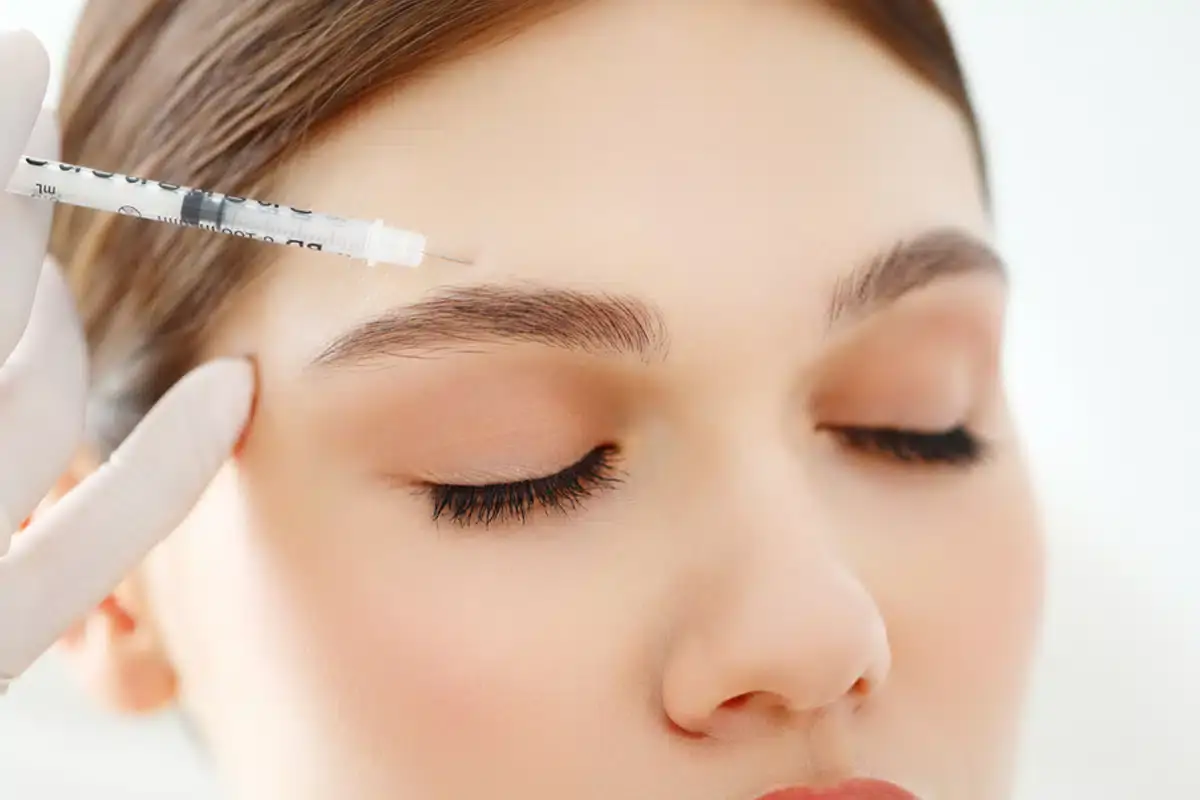
Why faces end up looking “done”
- Over-treating the forehead without balancing the frown muscles can drop the brows and make the upper face feel heavy.
- Ignoring asymmetry: most faces move unevenly, so identical doses on both sides can look unnatural.
- Treating to a template rather than watching how your individual muscles pull.
- Adding too much at once instead of starting conservatively and reviewing at two weeks.
What happens during treatment? A step-by-step guide
A first appointment includes a medical consultation, face-to-face assessment and consent, then about ten minutes of injections with a very fine needle. Most people return to normal activities the same day. A review at around two weeks checks the result and allows a small adjustment if needed.
- Consultation and medical history
Your prescriber asks about your health, medicines, allergies, previous treatments and what bothers you. The General Medical Council requires doctors to physically examine patients before prescribing injectable cosmetic medicines, so this cannot be done by phone or online.
- Assessment at rest and in motion
You will be asked to frown, raise your brows and smile so the practitioner can map the strength and direction of each muscle, and note any asymmetry or brow heaviness.
- Plan, price and consent
You agree the areas, the product and an approximate dose, see the price in writing, and discuss side effects. You should never feel rushed to proceed on the day.
- Treatment
The skin is cleaned and small amounts are injected at marked points. Most people describe quick pinpricks; no anaesthetic is usually needed. The injections themselves take around ten minutes.
- Aftercare advice
Avoid rubbing or massaging the area, strenuous exercise, saunas and facials for the rest of the day. Tiny bumps settle within minutes to hours; a small bruise may take a few days.
- Two-week review
Results have usually settled by two weeks. A follow-up review at this stage lets your practitioner check whether a muscle has fully responded and, if needed, adjust conservatively.
When will I see results, and how long do anti-wrinkle injections last?
Softening typically begins within a few days and builds to a peak at around two to four weeks. In clinical trials of frown lines, results remained significantly better than placebo at 120 days, so most people plan treatment roughly every three to four months.
| Time after treatment | What usually happens |
|---|---|
| Day 0 to 1 | Small bumps at injection points settle; no visible change in lines yet |
| Day 2 to 7 | Muscles begin to relax; lines start to soften |
| Day 14 | Result has largely settled; review appointment |
| Day 30 | Peak effect in trials (77% of patients rated none or mild at maximum frown) |
| Months 2 to 4 | Gradual return of movement; lines stay softer than before |
| Month 4 onwards | Movement largely back; repeat treatment if you liked the result |
Trial timings from Carruthers et al. (2003). Individual onset and duration vary with dose, product, muscle strength and metabolism. Underarm sweating treatment often lasts longer: typically 2 to 6 months, according to the British Association of Dermatologists.
There is no need to repeat treatment on a fixed schedule. Some people prefer to wait until movement has fully returned; others book when lines start to reappear. Letting treatment wear off completely is safe: your face returns to how it would have looked without treatment, not worse. What changes over time is the skin itself, which is why many patients pair toxin with daily sun protection and, where needed, skin boosters or polynucleotides to improve skin quality.
Softer lines that still look like you
Book a face-to-face consultation in Knightsbridge. We assess your face at rest and in motion, recommend a conservative dose and review your result at two weeks.
Are anti-wrinkle injections safe? Side effects and risks
In licensed products given by trained prescribers, side effects are usually mild and temporary: redness, small bruises or headache. A drooping eyelid occurred in about 1% of treated patients in a major trial. Serious harm is rare and has mostly been linked to unlicensed products and unregulated settings.
| Effect | How common | What to know |
|---|---|---|
| Redness, small bumps, pinpoint bruising | Common | Settles within hours to a few days |
| Headache | 11% with toxin and 20% with placebo in a 273-patient trial | Usually mild and short-lived; injection itself can trigger it |
| Eyelid drooping (ptosis) | About 1% in the same trial | Linked to technique; improves as the effect wears off |
| Heavy brow or asymmetry | Uncommon | Often adjustable at review; related to dose and placement |
| Allergic reaction | Rare | Clinics should have emergency medicines and training |
| Iatrogenic botulism (spread of toxin effect) | Very rare with licensed products | 2025 UK cases were linked to unlicensed products; seek urgent help for swallowing, breathing or vision problems |
Frequencies from Carruthers et al. (2003). A 2015 meta-analysis of seven randomised trials found no significant difference in adverse event frequency between 20-unit treatment and placebo.
Why product source and setting matter
In 2025 a cluster of iatrogenic botulism cases was investigated in North East England. A peer-reviewed report in Eurosurveillance described 25 cases in the local outbreak: around 60% had been injected in residential settings, 16 were admitted to hospital, and a seized unlicensed product contained 370 units per vial against a labelled 200. Seek urgent medical help if you develop difficulty swallowing, speaking or breathing, or double or blurred vision, after any injection.
Aftercare that genuinely helps
- Do not rub, press or massage the treated area for the rest of the day.
- Skip strenuous exercise, saunas, steam rooms and facials until the next day.
- Leave make-up off the injection points for a few hours if you can.
- Paracetamol is usually fine for a mild headache; check with your prescriber about anything else.
- Contact the clinic promptly if you notice anything that worries you.
How much do anti-wrinkle injections cost in London?
In London, anti-wrinkle injections typically cost £180 to £280 for one area, £250 to £380 for two and £320 to £490 for three upper-face areas. Jaw slimming is usually £300 to £500 and underarm sweating £450 to £700. Prices are indicative and confirmed after assessment.
| Treatment | Typical London price | Typical repeat interval |
|---|---|---|
| One area (for example frown lines) | £180 to £280 | About 3 to 4 months |
| Two areas (for example frown and forehead) | £250 to £380 | About 3 to 4 months |
| Three areas (frown, forehead, crow’s feet) | £320 to £490 | About 3 to 4 months |
| Jaw slimming or clenching (masseter) | £300 to £500 | Agreed at review |
| Underarm sweating (hyperhidrosis) | £450 to £700 | Often 2 to 6 months or longer |
Indicative ranges for medically led London clinics in 2026, not Levirgo’s price list. Your quote depends on the areas, product and dose, and is confirmed in writing after a face-to-face assessment.
A useful way to judge value is cost per month of effect. Three upper-face areas at £400, lasting around four months, works out at about £100 a month; repeated three times a year that is roughly £1,200. Our cost guide to non-invasive facial rejuvenation compares this with fillers, skin boosters and energy devices.
Be cautious of prices far below these ranges. The UK government’s August 2025 announcement on cosmetic regulation specifically urged people to check a provider’s qualifications and insurance and to avoid treatments that appear suspiciously cheap. Ask whether the price includes a review appointment, and whether top-ups cost extra.
How to choose a safe anti-wrinkle injection prescriber in the UK
Choose a registered healthcare professional (GMC, NMC, GDC or GPhC) with specific aesthetic training who examines you in person before prescribing, uses a licensed product, works from a proper clinic, explains risks and costs in writing, and offers review and aftercare. Voluntary registers such as the JCCP and Save Face add reassurance.
UK regulation of non-surgical cosmetic procedures is still catching up. A House of Commons Library briefing notes that there are currently no specific legal controls on who can offer non-surgical cosmetic procedures, although botulinum toxin itself must be prescribed. Section 180 of the Health and Care Act 2022 allows the government to create a licensing scheme, and in August 2025 the Department of Health and Social Care confirmed that botulinum toxin, lip fillers and facial fillers will come under a new local authority licensing system, with the highest-risk procedures restricted to healthcare professionals working in CQC-registered providers.
Your checklist before booking
- Check registration. Search the GMC (doctors), NMC (nurses), GDC (dentists) or GPhC (pharmacists) register, and ask about aesthetic training and experience.
- Confirm a face-to-face prescriber. The GMC’s guidance for doctors who offer cosmetic interventions says injectable cosmetic medicines must not be prescribed by telephone, video link or online for patients the doctor has not examined.
- Ask which product will be used and whether it is licensed in the UK. Ask to see the packaging.
- Look at the setting. NHS advice warns against group treatments, events involving alcohol, voucher deals and mobile services in homes or hotels.
- Ask about complications: what the common side effects are, what happens if something goes wrong and who you can call out of hours.
- Get the cost in writing, including whether reviews and top-ups are included.
- Take time to decide. A reputable clinic will not pressure you to book on the day.
Anti-wrinkle injections vs dermal fillers, skin boosters and resurfacing
Anti-wrinkle injections relax muscle movement. Dermal fillers restore lost volume and support. Skin boosters and polynucleotides improve skin quality, and resurfacing treats texture and etched lines. They solve different problems, which is why a well-planned result often combines two of them.
| Treatment | Best for | How it works | Typical duration |
|---|---|---|---|
| Anti-wrinkle injections | Frown, forehead and crow’s feet lines from movement | Relaxes targeted muscles | About 3 to 4 months |
| Dermal filler (hyaluronic acid) | Volume loss, deep folds, contour | Adds structural gel | Usually 6 to 18 months |
| Skin boosters | Dehydrated skin, fine crepey lines | Micro-injections of hyaluronic acid | Course, then maintenance every few months |
| Polynucleotides | Thin, crepey skin, especially around the eyes | Supports skin repair and quality | Course, then maintenance |
| Fractional laser resurfacing | Etched lines, texture, sun damage | Controlled injury stimulates new collagen | Longer-lasting, with downtime |
Durations are typical ranges and vary with product, area and individual. Your practitioner should explain which option fits your concern, including when doing nothing is reasonable.
If your main concern is a hollow or deflated look, more toxin will not help and can make things worse. Our guide to dermal fillers in Knightsbridge explains how hyaluronic acid filler restores support and why it can be dissolved if needed. If your lines are fine, crepey and present at rest, start with our skin booster guide or the wider face treatments section.
Why choose Levirgo for anti-wrinkle injections in Knightsbridge?
Levirgo Aesthetics Clinic at 6 Beauchamp Place, Knightsbridge SW3 1NG, a short walk from Harrods and Knightsbridge Underground station, offers doctor-led assessment, conservative dosing, named licensed products, a follow-up review where appropriate and written aftercare, all with clear written pricing.
- Face-to-face medical assessment of your face at rest and in movement before anything is prescribed.
- Conservative first doses, planned to keep natural expression and respect your asymmetry.
- Licensed products only, with the product and dose recorded and explained to you.
- A follow-up review where appropriate, to check how your result has settled.
- Honest advice when filler, a skin booster or no treatment would serve you better.
- Clear written pricing before you book, and no pressure to proceed on the day.
Beauchamp Place runs off Brompton Road, a short walk from Harrods and a few minutes from Knightsbridge station on the Piccadilly line. Many patients visit from neighbouring Chelsea, Belgravia and South Kensington, often around a working day. If you have questions before booking, you can contact the clinic or call +44 (0)20 3728 1234.
Frequently asked questions
How much do anti-wrinkle injections cost in Knightsbridge?
In London, one area such as the frown lines typically costs £180 to £280, two areas £250 to £380 and three upper-face areas £320 to £490. Jaw slimming is usually £300 to £500 and underarm sweating treatment £450 to £700. These are indicative ranges; your price depends on the areas, product and dose, and should be confirmed in writing after a face-to-face assessment. Ask whether a review appointment is included.
How long do anti-wrinkle injections last?
Most people get about three to four months from upper-face treatment. In a placebo-controlled trial of frown-line treatment, results were still significantly better than placebo at 120 days. Lighter doses may wear off sooner, and treatment for underarm sweating often lasts longer, typically 2 to 6 months according to the British Association of Dermatologists. When the effect fades, your face simply returns to how it would otherwise look.
How long do anti-wrinkle injections take to work?
You will not see a change immediately. Muscles usually start to relax within a few days, and the result settles by around two weeks, which is why reviews are booked at that point. In clinical trials the peak effect on frown lines was seen at about day 30. Avoid judging the result, or booking a big event, in the first week after your first treatment.
Do anti-wrinkle injections hurt?
Most people describe a series of quick pinpricks. The needle is very fine, the amount injected is tiny and the injections take around ten minutes, so no anaesthetic is usually needed. Some areas, such as around the eyes, feel slightly more sensitive. You may see small bumps for a short time and occasionally a pinpoint bruise that fades over a few days.
Will I look frozen or expressionless?
Not if the dose and placement are right. A frozen or heavy look usually comes from too much product, treating the forehead without balancing the frown muscles, or ignoring natural asymmetry. Starting with a conservative dose, assessing how your face moves and reviewing at two weeks keeps expression natural. You should still be able to look surprised, concerned or happy.
Are anti-wrinkle injections safe?
When a licensed product is prescribed after a face-to-face assessment and injected by a trained practitioner, side effects are usually mild and temporary. A 2015 meta-analysis of seven randomised trials found no significant difference in adverse events between treatment and placebo. Serious problems such as botulism have been linked to unlicensed products and unregulated settings, so who treats you, and with what, matters.
What are the side effects of anti-wrinkle injections?
The most common are redness, small bumps or bruising at injection points and a mild headache. In a 273-patient trial, headache affected 11% of treated patients and 20% of those given placebo, and eyelid drooping affected about 1%. Less commonly, a brow can feel heavy or movement can look uneven, which a review can often correct. Seek urgent help for swallowing, breathing or vision problems.
Who can legally give anti-wrinkle injections in the UK?
Botulinum toxin is a prescription-only medicine, so it must be prescribed by a qualified prescriber such as a doctor, dentist, pharmacist or nurse prescriber after a consultation. The person injecting does not have to be the prescriber, but the prescriber must ensure they are trained. The government has announced a local authority licensing scheme for England, and cosmetic injections for under-18s are already illegal in England.
What is the difference between anti-wrinkle injections and dermal fillers?
Anti-wrinkle injections relax the muscles that cause expression lines, so they work best on frown lines, forehead lines and crow’s feet. Dermal fillers are gels, usually hyaluronic acid, that restore lost volume and support in areas such as the cheeks, lips and chin. They treat different causes of ageing and are often combined in one plan.
At what age should you start anti-wrinkle injections?
There is no ideal age. Treatment is illegal for cosmetic purposes under 18 in England. Some adults in their late twenties or thirties choose light doses when lines start to linger after expressions; others begin later, or never. A good consultation will tell you honestly whether treatment would make a visible difference now, or whether sun protection and skincare are the better first step.
Can I exercise after anti-wrinkle injections?
It is sensible to avoid strenuous exercise, saunas, steam rooms and facial massage for the rest of the day, and not to rub or press on the treated areas. Gentle walking is fine. Most people return to work and normal activities straight away. Your practitioner will give you written aftercare advice for the specific areas treated.
Are anti-wrinkle injections worth it?
For people bothered by lines from movement, the evidence of effectiveness is strong and the cost per month is predictable, roughly £45 to £165 for each month of effect depending on how many areas are treated. They are not worth it if your concern is volume loss, sagging or skin texture, which need different treatments. An honest assessment of what is causing your lines is the best way to decide.
Levirgo Aesthetics Clinic · Knightsbridge
Anti-wrinkle injections, planned carefully in Knightsbridge
Doctor-led assessment, licensed products, conservative dosing and a follow-up review where appropriate, a few minutes from Knightsbridge station. No obligation to proceed.
Sources & further reading
- NHS: Choosing who will do your cosmetic procedure (botulinum toxin and dermal filler advice)
- Carruthers JD et al. Double-blind, placebo-controlled study of the safety and efficacy of botulinum toxin type A for patients with glabellar lines. Plast Reconstr Surg, 2003
- Guo Y et al. Efficacy and safety of botulinum toxin type A in the treatment of glabellar lines: a meta-analysis of randomized, placebo-controlled, double-blind trials. Plast Reconstr Surg, 2015
- Li X et al. Efficacy and safety of botulinum toxin type A for treatment of glabellar lines: a network meta-analysis. Aesthetic Plast Surg, 2023
- ISAPS International Survey on Aesthetic/Cosmetic Procedures 2024 (full report, PDF)
- Jasperse J et al. A local outbreak of iatrogenic botulism associated with cosmetic injections of botulinum neurotoxin-containing products, England, 2025. Eurosurveillance
- British Association of Dermatologists: Hyperhidrosis patient information leaflet
- General Medical Council: Guidance for doctors who offer cosmetic interventions
- Botulinum Toxin and Cosmetic Fillers (Children) Act 2021, legislation.gov.uk
- Department of Health and Social Care: Crackdown on unsafe cosmetic procedures to protect the public (August 2025)
- House of Commons Library: The regulation of non-surgical cosmetic procedures in England (CBP-10331)
This article is general information about botulinum toxin (anti-wrinkle) injections, a prescription-only medicine, and is not medical advice. Suitability, dose, results and risks vary between individuals and can only be assessed in a face-to-face consultation with a qualified prescriber. Prices are indicative London ranges for 2026 and are confirmed in writing after assessment.