
Body treatments
Fat Loss and Muscle Toning in Knightsbridge: Which Treatment Is Right?
Stubborn fat, soft muscle tone, loose skin and cellulite look similar in the mirror but need different tools. This guide compares the non-surgical options side by side, with the evidence, a decision table and realistic costs, so you can choose with confidence.
 By Fatemeh, Founder & Lead Practitioner, Levirgo Aesthetics Clinic 16 min read
Reviewed September 2026

Fat, muscle, loose skin or cellulite: what are you trying to change?
Start by naming the concern, because each needs a different tool. Fat reduction thins a soft fat layer, muscle toning builds strength and definition, skin tightening firms mild laxity, and cellulite treatment targets dimpling. Many people have two or three of these at once, which is why assessment comes first.
The most common reason people feel disappointed by body contouring is not that the technology failed. It is that the wrong technology was used for the concern. A muscle stimulation course will not shrink a thick layer of fat, a fat reduction device will not tighten crepey skin, and neither is designed to remove dimpling. The decision table below is the same framework our team uses in consultation at Levirgo in Knightsbridge.
| Your concern | What it usually looks and feels like | Best-fit non-surgical option | When to think again |
|---|---|---|---|
| Stubborn fat | Soft bulge you can pinch; stays despite diet and exercise | Radiofrequency fat reduction or cryolipolysis | Large amount of fat or active weight loss goal |
| Soft muscle tone | Firm when tensed but little definition; weak core | Electrical or electromagnetic muscle stimulation | Thick fat layer hides any muscle change |
| Mild skin laxity | Skin looks crepey or slow to spring back when lifted | Radiofrequency or ultrasound skin tightening | Heavy overhanging skin after major weight loss |
| Cellulite | Dimpled, uneven surface, often on thighs and buttocks | Combined programme targeting fat, tone and skin | Expecting complete removal |
| Overall weight | Weight affects health, energy or joints | Medical weight management first | Contouring before weight is stable |
A general guide only. Many people have more than one concern, and an in-person examination is needed to confirm what is going on.
Body contouring is not weight loss
In England, 66% of adults are overweight or living with obesity, according to the Health Survey for England 2024. If your weight is affecting your health, these devices are not the answer. A doctor-led conversation about medical weight management is the right first step, with contouring considered once your weight has settled.
How can I tell whether it is fat, muscle or skin?
A simple pinch, tense and lift check gives a useful first clue. Soft tissue that pinches easily is mostly fat. An area that feels firm when you tighten your muscles but lacks shape points to muscle tone. Skin that wrinkles finely or returns slowly when lifted suggests laxity. A clinician confirms this in person.
You do not need special equipment to get a sense of what is happening, and trying this before a consultation helps you describe your goal clearly. Use a mirror in good light and compare both sides of the body.
- The pinch test
Relax completely and gently pinch the area between thumb and forefinger. A thick, soft roll suggests a fat layer that a fat reduction treatment could address.
- The tense test
Now tighten the muscles underneath, for example by lifting your head while lying down for the abdomen. If the area becomes firm but still looks flat or undefined, muscle tone and strength are part of the picture.
- The lift test
Gently lift a fold of skin and let go. Skin that looks crepey, folds finely or is slow to settle suggests laxity, which fat reduction alone may make more visible.
- The surface check
Look at the skin in side lighting while standing. A dimpled, orange-peel or mattress-like pattern is cellulite, which involves the connective bands beneath the skin as well as fat.
- The honest check
Ask whether your weight has been stable for several months and whether you are close to where you want to be. If not, the order of treatment usually needs to change.
Which non-surgical fat reduction treatment works best?
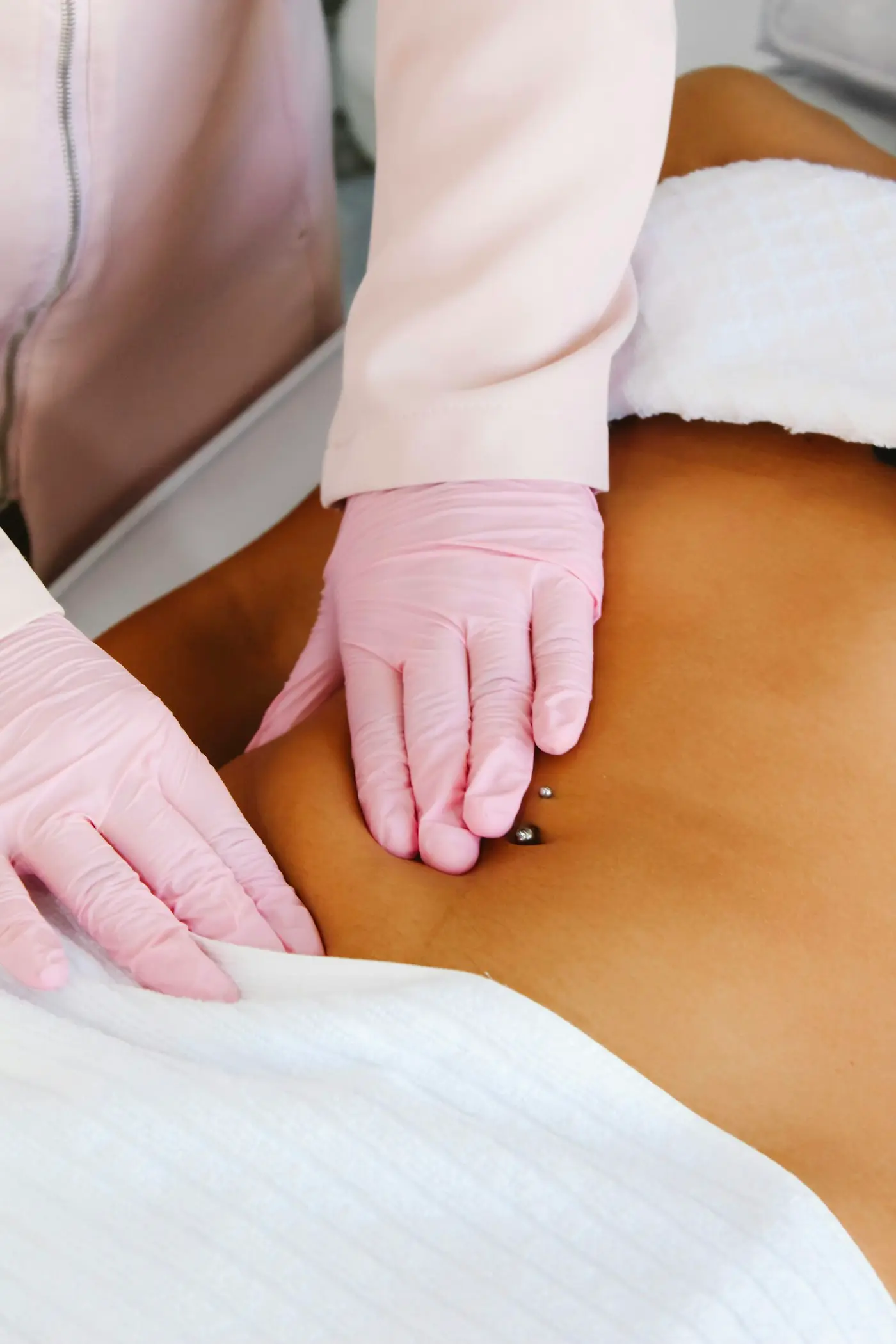
Radiofrequency and cryolipolysis both reduce a treated fat layer by a broadly similar amount: about 22% to 24% in radiofrequency trials and 10.3% to 25.5% across 19 cryolipolysis studies. The better choice depends on the area, your tissue, comfort and specific risks, rather than a clear winner on results.
Non-surgical fat reduction works by injuring fat cells so the body clears them over several weeks. The two most studied energy-based approaches do this with heat or cold. Surgical liposuction removes more fat at once but involves anaesthesia and recovery. Prescription-only injectable fat-dissolving treatments also exist for small areas; they are medicines with their own assessment requirements and are not offered at Levirgo.
| Option | How it works | Reported results | Downtime | Key considerations |
|---|---|---|---|---|
| Radiofrequency (truSculpt iD) | Controlled heat through flat, suction-free applicators | 24% abdomen and 22% flanks fat-thickness reduction after one session | None; warmth and redness for hours | Newer, smaller evidence base; not for implanted devices |
| Cryolipolysis (fat freezing) | Controlled cold, usually through a vacuum applicator | 10.3% to 25.5% ultrasound-measured reduction across 19 studies | Minimal; temporary numbness is common | Rare paradoxical fat enlargement, pooled incidence 0.22% |
| Liposuction | Surgical removal of fat through small cannulas | Largest single-session change | Days to weeks, compression garments | Surgery, anaesthesia and surgical risks |
Sources: Somenek et al., Lasers Surg Med 2021; Ingargiola et al., Plast Reconstr Surg 2015; Mah et al., Aesthet Surg J Open Forum 2025. Results are study averages, not predictions.
For a detailed look at how radiofrequency affects fat cells, the biopsy evidence and the results timeline, read our in-depth guide to truSculpt iD radiofrequency fat reduction. At Levirgo, fat reduction is delivered through our fat loss service.
Does muscle stimulation really build muscle?
Yes, the evidence suggests it can. In an MRI study of 22 people, four electromagnetic sessions increased abdominal muscle thickness by 15.4% and reduced fat thickness by 18.6% at two months. A 2023 systematic review of 15 studies reported consistent but modest changes, with high satisfaction and no complications reported.
Muscle stimulation devices trigger strong, involuntary contractions that you could not easily produce by exercising voluntarily. Repeated over a short course, those contractions appear to prompt the same kind of adaptation as resistance training: muscle fibres strengthen and thicken. Two broad technologies are used. Electromagnetic devices induce contractions through a magnetic field, while electrical muscle stimulation devices, such as truSculpt Flex, deliver electrical impulses through pads placed over the muscle groups.
The review is balanced about limitations. The typical protocol was four sessions over two to four weeks, and although all studies with patient-reported outcomes described high satisfaction, two studies reported marginal or no benefit, none reported weight change, and several did not describe their participants in detail. The review covered electromagnetic devices only, so its results do not transfer automatically to electrical stimulation systems.
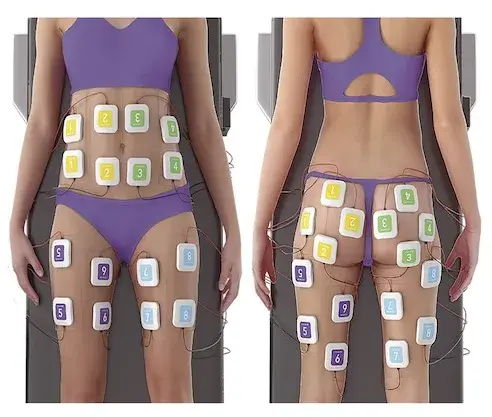
At Levirgo, muscle toning with truSculpt Flex is delivered as a course of at least four sessions of 15 or 45 minutes, spaced no more than three days apart so the course completes within two weeks, with an optional maintenance session every two months. The best candidates already have a relatively thin fat layer over the muscle, because definition only shows if it is not hidden.
Can non-surgical skin tightening fix loose skin on the body?
Skin tightening can improve mild to moderate laxity by heating the deeper skin layers to stimulate collagen, with gradual change over several weeks and a course of treatments. It cannot remove heavy, overhanging skin after major weight loss or pregnancy, which usually needs a surgical assessment.
Skin firmness depends on collagen and elastin in the dermis. Both decline with age, sun exposure and large changes in weight. Radiofrequency and focused ultrasound devices deliver controlled heat below the surface; the immediate effect is a slight contraction of existing collagen fibres, and the longer-term aim is new collagen formation over the following weeks. That biology explains why results are gradual and why expectations need to be modest.
| Degree of laxity | What you see | Realistic option |
|---|---|---|
| Mild | Slight crepiness, skin slow to settle when lifted | Radiofrequency or ultrasound skin tightening course |
| Moderate | Visible softness and some folding when sitting | Skin tightening course, sometimes combined with fat reduction or muscle toning |
| Severe | Overhanging skin, skin folds that stay when standing | Surgical opinion, for example abdominoplasty |
A general framework only. Laxity is assessed in person, standing and sitting.
Levirgo’s skin tightening treatment uses radiofrequency or ultrasound energy chosen for your needs, typically in sessions of 30 to 60 minutes as a course of three to six. For some areas, HIFU, which focuses ultrasound energy at depth, is an option. If fat reduction is also planned, it is worth checking laxity first, because thinning a fat layer under loose skin can make the looseness more noticeable.
Ask this question at consultation
“If I reduce the fat here, will my skin look looser?” A thoughtful practitioner will lift and assess the skin before answering, and may suggest tightening alongside or instead of fat reduction.
Can cellulite be treated without surgery?
Cellulite affects 80% to 90% of women after puberty and is not a medical problem. Treatments can improve its appearance for some people, but a systematic review of 67 studies found no clear evidence of good efficacy for any single treatment. Honest, combined approaches aim for smoother-looking skin, not removal.
Cellulite forms where fibrous bands tether the skin to deeper tissue while fat pushes upwards between them, creating a dimpled surface. Hormones, genetics, skin thickness and fat distribution all play a part, which is why it appears in people of every size and fitness level, and why it is so much more common in women than men.
That finding does not mean nothing helps, but it does mean claims of dramatic or permanent cellulite removal should be treated with caution. The US FDA clearance for the truSculpt system, for example, describes its massage device as intended for a temporary reduction in the appearance of cellulite. Improving the underlying contributors, such as a localised fat bulge, weak muscle tone and skin firmness, is a reasonable strategy, provided expectations are clear.
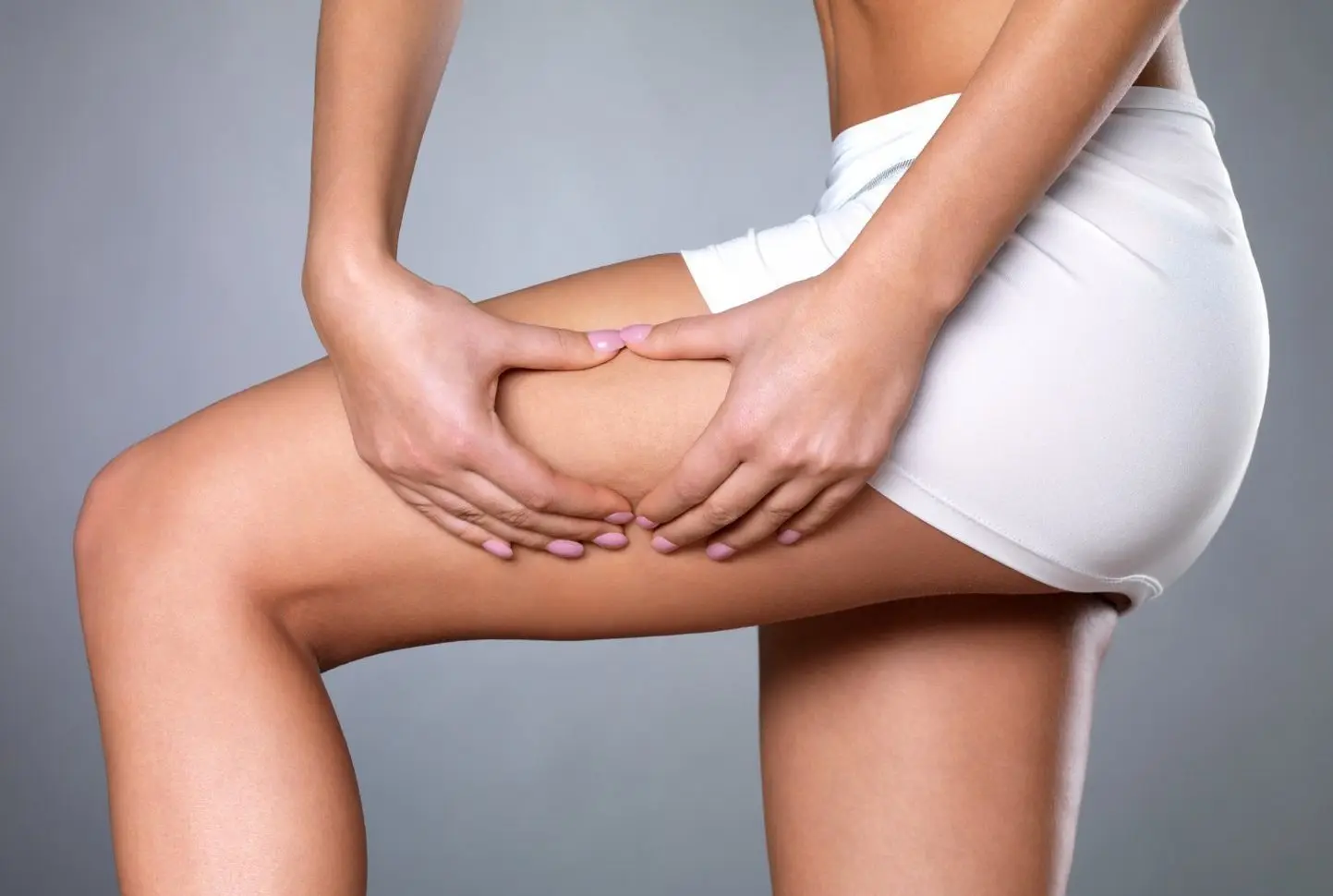
Levirgo’s cellulite reduction programme combines fat reduction, muscle toning and HIFU skin tightening in a plan tailored to the area, reviewed with photographs so that any change can be judged fairly.
Not sure which treatment fits your goal?
Book a body consultation in Knightsbridge. We will assess fat, muscle and skin separately and give you a written, sequenced plan with clear pricing.
Can you combine fat reduction and muscle toning?
Yes, and sequencing matters. Fat reduction usually comes first, because muscle definition only shows through a thinner fat layer. In a 2022 study of 12 people, one radiofrequency session followed by six muscle stimulation sessions reduced waist circumference by 3.1% and skinfold thickness by up to 14% at one month.
The combined study, carried out at Siriraj Hospital in Bangkok and published in Lasers in Surgery and Medicine, is relevant because it tested the pairing of 2 MHz radiofrequency with electrical multidirectional stimulation, the technologies behind truSculpt iD and truSculpt Flex, in people with an overweight-range BMI of 23.6 to 24.9. The most common side effect was temporary altered skin sensation for two to three hours after muscle stimulation, reported by 5 of 12 participants, with no serious side effects.
Bar length shows the size of the change; the sign shows its direction. Sources: Somenek et al. 2021; Ingargiola et al. 2015 (upper end of the ultrasound range); Kinney and Lozanova 2019 (MRI); Manuskiatti et al. 2022. Different studies used different measures and populations, so this is a broad illustration, not a head-to-head comparison.
- Assess and measure each area for fat, muscle tone and skin quality, with baseline photographs.
- Reduce fat first where there is a meaningful layer, then allow the body time to clear the treated cells.
- Build muscle next with a short, intensive muscle toning course once the fat layer is thinner.
- Address skin with a tightening course if laxity becomes more visible as contours change.
- Maintain with stable weight, regular activity and optional maintenance muscle sessions.
Are body contouring treatments safe, and who should avoid them?
Non-surgical body contouring is generally well tolerated, with mostly mild, temporary side effects such as redness, warmth, numbness or muscle soreness. Pregnancy rules out all of these treatments, and implanted electronic devices or metal in the area rule out radiofrequency and muscle stimulation. A medical history always comes first.
| Treatment | Common temporary effects | Notable rare risk | Not suitable if |
|---|---|---|---|
| Radiofrequency fat reduction | Warmth, redness, tenderness | Burns or nodules if poorly controlled | Pregnant; implanted electronic device; metal in area |
| Cryolipolysis | Redness, numbness, aching | Paradoxical adipose hyperplasia (0.22%) | Pregnant; cold-related conditions such as cryoglobulinaemia |
| Muscle stimulation | Muscle soreness, brief altered sensation | Discomfort limiting treatment | Pregnant; implanted device; recent surgery or hernia in area |
| Skin tightening (RF or ultrasound) | Redness, mild swelling | Burns, rarely nerve irritation | Pregnant; active infection; implants in area |
| Cellulite programmes | Depends on components used | As for each component | As for each component |
Not an exhaustive list. Sources for the rates quoted: Mah et al. 2025 (PAH) and Manuskiatti et al. 2022 (altered sensation). Every treatment plan starts with individual screening.
Seek advice promptly if you notice
Blistering, a wound or skin that looks burnt; pain that is worsening rather than settling after a few days; a firm, enlarging area months after fat freezing; or any symptom that worries you. Contact your clinic, and use NHS 111 or emergency services if you feel unwell.
Regulation is still catching up with this sector. In August 2025 the Department of Health and Social Care confirmed plans for a licensing scheme for non-surgical cosmetic procedures in England, with treatments grouped into green, amber and red tiers by risk. Until it is in force, check who assesses you, how devices are maintained, whether risks and alternatives are explained, and whether you are offered a cooling-off period, as the NHS advises.
How much do fat loss and muscle toning treatments cost in London?
Indicative London prices are about £900 to £1,600 for a two-session radiofrequency course on one area, £700 to £1,400 for two cryolipolysis sessions, £900 to £1,800 for a six-session muscle toning course, and £1,600 to £3,200 per area for a combined plan. Your price is confirmed in writing after assessment.
| Treatment | Typical course | Typical London price |
|---|---|---|
| Radiofrequency fat reduction | One area, two sessions | £900 to £1,600 |
| Cryolipolysis (not offered at Levirgo) | One area, two sessions | £700 to £1,400 |
| Muscle toning | Course of six sessions | £900 to £1,800 |
| Combined fat reduction and muscle toning | Per area, sequenced plan | £1,600 to £3,200 |
| Skin tightening and cellulite programmes | Course depends on area and severity | Quoted after assessment |
Indicative 2026 London market ranges only, not a Levirgo price list. Plans and prices are confirmed in writing after consultation, with no obligation to proceed.
The cheapest route is rarely the single treatment with the lowest headline price. It is the plan that targets the right concern, in the right order, with fewer wasted sessions. Ask what is included in any quote: consultation, measurements, review appointments and aftercare. To discuss your own plan, book a body consultation or contact the clinic.
Why plan your body treatments with Levirgo in Knightsbridge?
Levirgo is a doctor-led aesthetics, skin and private GP clinic at 6 Beauchamp Place, Knightsbridge, a short walk from Harrods and Knightsbridge Underground station on the Piccadilly line. We assess fat, muscle, skin and weight separately, and build a sequenced plan only where treatment is likely to help.
- Assessment before technology: we identify whether your concern is fat, muscle tone, laxity, cellulite or weight, and say so when a device is not the answer.
- Several tools under one roof: radiofrequency fat reduction, electrical muscle stimulation, skin tightening, HIFU and a combined cellulite programme.
- Medical support where it matters: our private GP service can look at weight, hormones and conditions such as PCOS that affect body shape.
- Objective reviews with standardised photographs and measurements.
- Written plans and prices after consultation, with no pressure to add areas or sessions.
- Easy to reach from Kensington, Sloane Square, Mayfair and across central London.
Frequently asked questions
What is the difference between fat reduction and muscle toning?
Fat reduction treatments, such as radiofrequency or cryolipolysis, thin a layer of soft fat in a specific area by injuring fat cells that the body then clears. Muscle toning treatments use electrical or electromagnetic stimulation to trigger strong contractions that strengthen and thicken muscle. They do different jobs, which is why many plans use both in sequence.
Which body contouring treatment is best for me?
It depends on what you want to change. Soft, pinchable fat suits fat reduction. Firm but undefined areas suit muscle toning. Crepey skin suits skin tightening, and dimpling points to a cellulite programme. Most people have more than one concern, so an in-person assessment that looks at fat, muscle and skin separately is the most reliable way to choose.
Does muscle stimulation actually work?
The evidence is encouraging. An MRI study of 22 people found a 15.4% increase in abdominal muscle thickness and an 18.6% reduction in fat thickness two months after four electromagnetic sessions. A 2023 systematic review of 15 studies reported similar direction of change with high satisfaction, although two studies found marginal or no benefit and the overall quality of evidence is still developing.
How many muscle toning sessions do I need?
Most studies used four sessions over two to four weeks. At Levirgo, truSculpt Flex courses start at a minimum of four sessions, spaced no more than three days apart so the course completes within two weeks, and some people choose six or eight. An optional maintenance session every two months helps keep strength and definition.
Will these treatments help me lose weight?
No. Body contouring treatments change the shape of specific areas and are designed for people at or near a stable weight. They are not treatments for obesity and do not meaningfully change body weight. If weight is affecting your health, speak to a doctor about evidence-based weight management first, then consider contouring once your weight has settled.
Can cellulite be permanently removed?
No treatment reliably removes cellulite permanently. It affects 80% to 90% of women after puberty, and a systematic review of 67 studies found no clear evidence of good efficacy for any single treatment. Combined approaches that address localised fat, muscle tone and skin firmness can improve its appearance for some people, but maintenance and realistic expectations are important.
Can I combine fat reduction and muscle toning at the same time?
They are usually sequenced rather than done in a single session. Fat reduction tends to come first so that the muscle definition built afterwards is visible. In a 2022 study, one radiofrequency session followed by six muscle stimulation sessions reduced waist circumference by 3.1% and skinfold thickness by up to 14% at one month, with mild, short-lived side effects.
Is non-surgical skin tightening worth it?
It can be worthwhile for mild to moderate laxity, where gradual collagen stimulation over a course of sessions may improve firmness. It will not remove heavy, overhanging skin after major weight loss or pregnancy, which usually needs a surgical opinion. Ask your practitioner to assess the skin standing and sitting, and to be clear about what change is realistic.
Is there any downtime after body contouring?
Radiofrequency fat reduction and muscle toning usually involve no downtime, although warmth, redness or muscle soreness similar to a hard workout are common. Cryolipolysis can cause temporary numbness and aching. Skin tightening may leave mild redness or swelling for a short time. Most people return to work and normal activities the same day.
How much does body contouring cost in Knightsbridge?
Typical London ranges are about £900 to £1,600 for two radiofrequency fat reduction sessions on one area, £900 to £1,800 for a six-session muscle toning course, and £1,600 to £3,200 per area for a combined plan. Skin tightening and cellulite programmes vary with the area. These are indicative ranges, and your price is confirmed in writing after consultation.
Who should not have body contouring treatments?
Pregnancy and breastfeeding rule out all of these treatments. Pacemakers, defibrillators and other implanted electronic devices, or metal implants in the area, rule out radiofrequency and muscle stimulation. Hernias or recent surgery in the area, active skin infection and some medical conditions also need caution. A full medical history is taken before any treatment is offered.
Where can I get body contouring near Kensington or Chelsea?
Levirgo Aesthetics Clinic is at 6 Beauchamp Place, Knightsbridge, London SW3 1NG, a short walk from Harrods and Knightsbridge Underground station on the Piccadilly line, and close to Kensington, Chelsea, Belgravia and Sloane Square. You can book a body consultation online or call +44 (0)20 3728 1234.
Levirgo Aesthetics Clinic · Knightsbridge
The right treatment, in the right order
Doctor-led body contouring at 6 Beauchamp Place, with honest assessment, objective reviews and no obligation to proceed.
Sources & further reading
- Somenek MT et al. Non-invasive fat reduction of the abdomen and flanks using a monopolar 2 MHz radiofrequency device. Lasers Surg Med, 2021
- Ingargiola MJ et al. Cryolipolysis for fat reduction and body contouring: safety and efficacy of current treatment paradigms. Plast Reconstr Surg, 2015
- Mah AE et al. Incidence of paradoxical adipose hyperplasia after cryolipolysis: a systematic review and meta-analysis. Aesthet Surg J Open Forum, 2025
- Kinney BM, Lozanova P. High intensity focused electromagnetic therapy evaluated by magnetic resonance imaging. Lasers Surg Med, 2019
- Kohan J et al. High-intensity focused electromagnetic energy with and without radiofrequency for noninvasive body contouring: a systematic review. Aesthetic Plast Surg, 2024
- Manuskiatti W et al. Combination of monopolar 2 MHz radiofrequency and electrical multidirectional stimulation for reducing abdominal circumference. Lasers Surg Med, 2022
- Luebberding S, Krueger N, Sadick NS. Cellulite: an evidence-based review. Am J Clin Dermatol, 2015
- US FDA 510(k) summary K180709: truSculpt RF Device and massage device indications (2018)
- NHS England. Health Survey for England 2024: adults’ overweight and obesity
- Department of Health and Social Care. The licensing of non-surgical cosmetic procedures in England: consultation response, August 2025
- NHS. Before you have a cosmetic procedure
This article is general information about non-surgical body contouring and is not medical advice. These are not treatments for obesity or weight loss. Suitability, results and risks vary between individuals and can only be assessed in a personal consultation. Study results describe group averages and do not predict individual outcomes. Prices are indicative London ranges for 2026 and are confirmed in writing after assessment.