

Face treatments
Facial Add-Ons in Knightsbridge: How to Choose the Right Extras
LED light, oxygen infusion, a gold mask, an under-eye mask, face yoga or microneedling? This guide compares each facial add-on side by side, explains what the evidence does and does not show, and helps you choose the one or two that suit your skin.
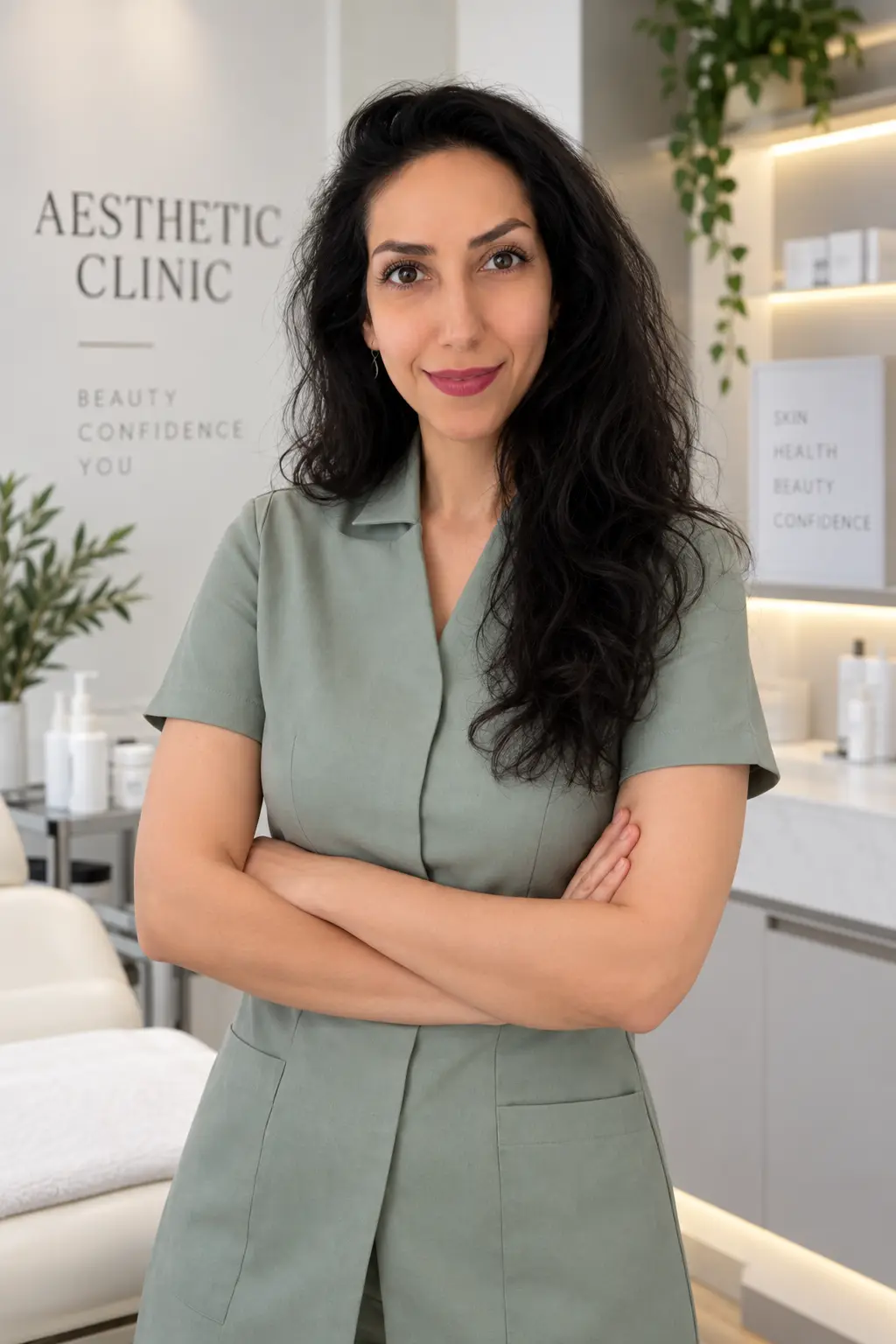 By Fatemeh, Founder & Lead Practitioner, Levirgo Aesthetics Clinic 17 min read
Reviewed September 2026

What are facial add-ons, and are they worth it?
Facial add-ons are short, targeted enhancements added to a facial or peel to address a specific concern, such as redness, dullness, puffy eyes or texture. They are worth it when chosen for your skin after assessment. Added at random, they raise the cost without improving the result.
A good facial cleanses, exfoliates appropriately and treats. Add-ons sharpen one part of that. Some calm and repair (LED), some hydrate and brighten for an instant finish (oxygen infusion, gold and under-eye masks), some work on circulation and muscle tone (face yoga), and one stimulates collagen by creating controlled micro-injuries (microneedling). Levirgo’s facial add-ons can be combined with most of our luxury facials and peels, and your practitioner helps you pick the right combination at consultation.
The two-add-on rule
For most people, the best value is one add-on that treats your main concern plus one that calms or hydrates. For example: a glycolic peel facial with LED to settle redness, or a hydrating facial with an under-eye mask before an event. Save the rest for your next visit.
Evidence matters because prices add up quickly. Some add-ons, such as microneedling, have randomised trials behind them. Others are primarily sensory and cosmetic, delivering a lovely immediate finish that fades within days. Both can have a place, as long as you know which you are paying for.
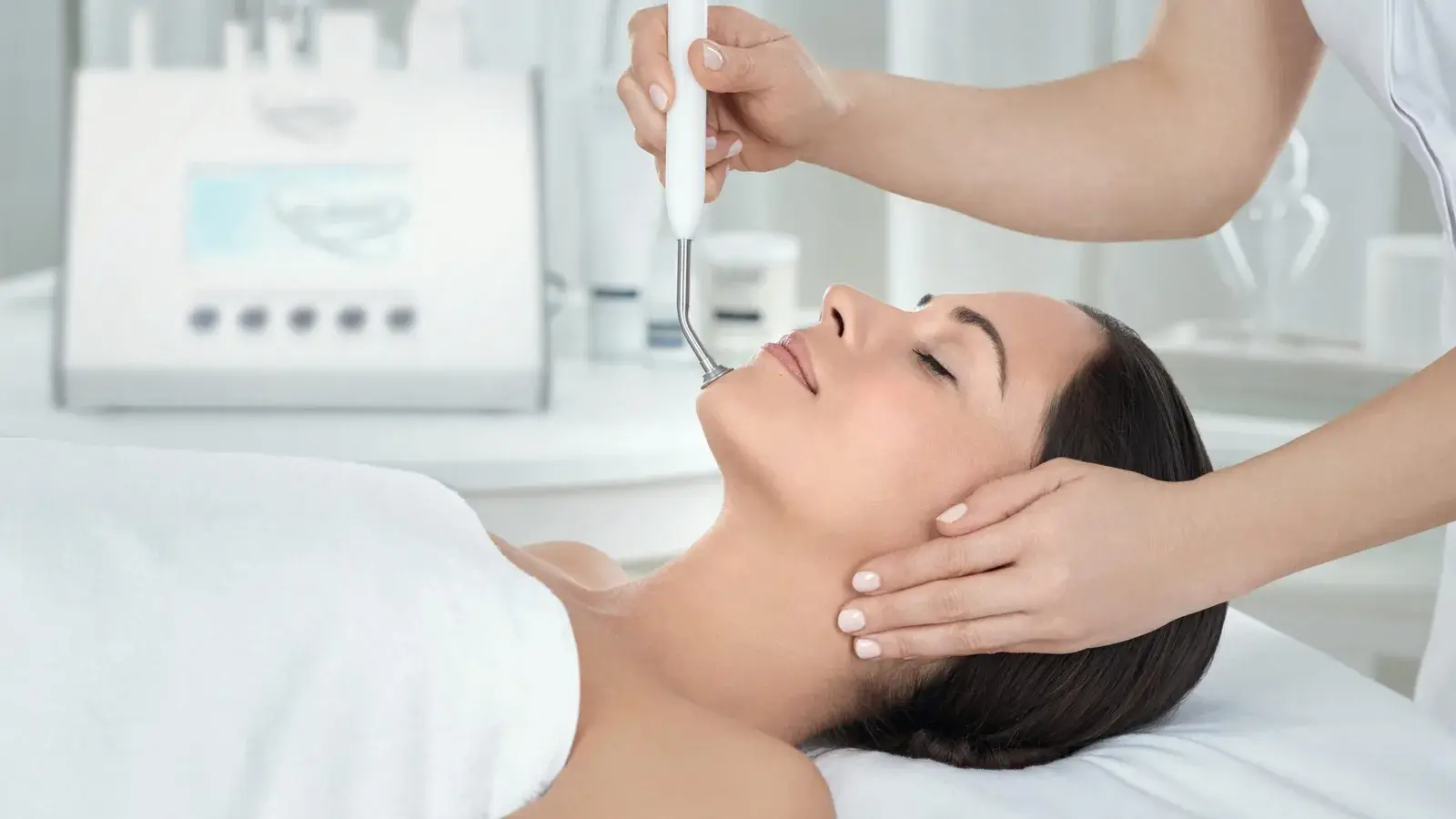
Facial add-ons compared: what does each one do?
Each add-on has a different job. LED calms and supports repair; oxygen infusion and masks hydrate for an instant glow; face yoga targets muscle tone and puffiness; microneedling stimulates collagen for texture and scarring. Microneedling and red LED have the strongest evidence; masks and oxygen mainly offer short-term hydration.
| Add-on | What it does | Best for | Strength of evidence | Downtime | Results feel |
|---|---|---|---|---|---|
| LED therapy | Light wavelengths to calm skin and support repair; blue light for acne bacteria | Redness, post-peel or post-needling skin, breakouts | Moderate for red light; low certainty for acne | None | Gradual, builds with repeat sessions |
| Oxygen infusion | Pressurised oxygen with vitamins, antioxidants and hyaluronic acid | Dehydration, dullness, pre-event glow, sensitivity | Limited clinical data | None | Immediate, short-lived |
| Gold mask | Mask with gold particles, antioxidants and intense hydration | Tired, dull or stressed-looking skin | Limited for gold itself; hydration well established | None | Immediate, short-lived |
| Under-eye mask | Targeted hydrating and soothing mask for the eye area | Puffiness, dehydration lines, tired eyes | Hydrating ingredients have trial support | None | Immediate, short-lived |
| Face yoga | Guided facial exercises and massage for tone and drainage | Puffiness, tension, early cheek flattening | Small, uncontrolled pilot study | None | Gradual, needs home practice |
| Microneedling | Fine needles create micro-channels to stimulate collagen and product absorption | Fine lines, enlarged pores, acne scars, texture | Good, including randomised trials | A few days of redness | Gradual over months |
Descriptions from Levirgo’s facial add-ons service page. Evidence ratings summarise the studies cited in this guide: Wunsch and Matuschka 2014 (LED), Cochrane review 2016 (light therapy for acne), Pavicic et al. 2011 (topical hyaluronic acid), Alam et al. 2018 (facial exercise) and the American Academy of Dermatology and Shen et al. 2022 (microneedling).
Under proposals set out by the Department of Health and Social Care for England, LED and microneedling would sit in the lowest-risk “green” licensing tier, meaning practitioners would need a licence and to meet agreed standards. That low risk depends on correct technique, hygiene and aftercare, particularly for microneedling, which breaks the skin.
How do you choose facial add-ons for your skin concern?
Start with your main concern. For redness or sensitivity, choose LED; for dullness before an event, oxygen infusion or a gold mask; for tired eyes, an under-eye mask; for puffiness and tension, face yoga; for texture, pores or scarring, microneedling as a course. Breakouts suit blue LED alongside a salicylic peel.
| Your concern | First-choice add-on | Pairs well with | Avoid on the day |
|---|---|---|---|
| Dull, tired skin | Oxygen infusion or gold mask | Glycolic or superficial peel | Stacking several exfoliating steps |
| Event in the next 48 hours | Oxygen infusion | Under-eye mask, face yoga | Microneedling, medium peels |
| Redness and sensitivity | LED (red light) | Superficial peel for sensitive skin, gentle hydration | Strong acids, vigorous massage |
| Breakouts and congestion | LED (blue light) | Salicylic or Jessner’s peel | Heavy occlusive masks |
| Puffy eyes and dark circles | Under-eye mask | Face yoga drainage, Lumi Eye or polynucleotides | Rubbing or pulling the eye area |
| Jaw tension and puffiness | Face yoga | Oxygen infusion | Deep pressure on inflamed skin |
| Fine lines and texture | Microneedling (course) | LED afterwards | Peels or massage on the same needled skin |
| Acne scars | Microneedling (course) | Medical scar plan | Needling over active acne |
General guidance only. Your practitioner will adjust recommendations to your skin type, medicines and recent treatments.
If dark circles are mainly due to hollowing or thin skin rather than dehydration, a mask will only help briefly. Our under-eye mask works well alongside injectable skin quality treatments such as Lumi Eye or polynucleotide eye treatments, and structural concerns are covered on our eye and under-eye treatments page.
Add-ons by skin type
Oily and congested skin usually does best with a salicylic peel, extractions and blue LED, and lighter hydration rather than rich masks. Dry and dehydrated skin responds well to oxygen infusion, the gold mask and an under-eye mask, which add water-binding ingredients without exfoliation. Sensitive or rosacea-prone skin is best matched with red LED and gentle hydration, with massage kept light. Mature skin often benefits from a course of microneedling for texture, with face yoga for tension and puffiness. Medium to deeper skin tones can enjoy every add-on, but microneedling and peels need conservative settings because post-inflammatory hyperpigmentation is more likely, and daily sun protection matters year-round.
Does LED light therapy actually work?
Red LED has reasonable evidence for skin rejuvenation when used repeatedly: a controlled trial of 136 volunteers found improved complexion, roughness and collagen density after 30 sessions. Evidence for blue light in acne is weaker; a Cochrane review judged high-quality evidence lacking. LED is low risk and useful after peels or microneedling.
In the Wunsch and Matuschka trial, 113 people received red (611 to 650 nm) or broader-spectrum light twice a week and were compared with 23 controls. Blinded assessment of photographs, ultrasound collagen density and skin roughness all improved significantly in the treated groups, and broad-spectrum light offered no advantage over red light alone. The key practical point is the dose: benefits came from a long course, not a single facial.
For acne, the Cochrane review of light therapies found that high-quality evidence is lacking, with low certainty for blue-light-activated treatments. Blue LED can be a helpful, gentle support within an acne plan that also uses appropriate skincare, peels and, where needed, medical treatment through a dermatology consultation. Our add-ons menu uses LED especially after chemical peels, microneedling and exfoliating facials, where its calming effect is most noticeable.
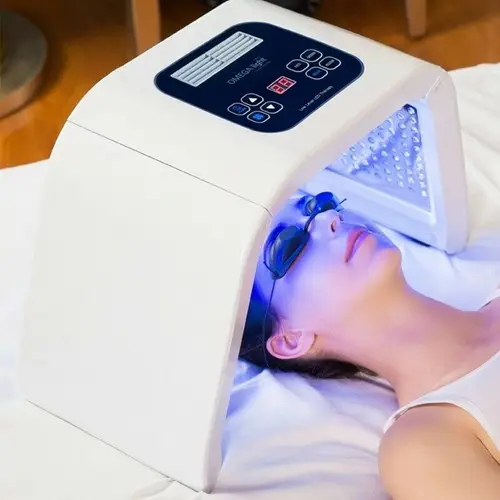
What does an oxygen infusion facial do?
An oxygen infusion add-on sprays a fine stream of pressurised oxygen carrying vitamins, antioxidants and hyaluronic acid onto the skin. It feels cool and soothing and leaves skin plumper and more radiant straight away, which makes it popular before events. Clinical evidence for lasting change is limited.
Most of the visible effect comes from hydration: water-binding ingredients such as hyaluronic acid draw moisture into the outer skin layers, which softens fine dehydration lines and reflects light more evenly. The oxygen stream helps spread the serum and feels refreshing. We have not found robust trials showing that topical oxygen facials produce long-term structural change in the skin, so we recommend it for what it does well: an instant, gentle, no-downtime glow.
Oxygen infusion suits sensitive skin that cannot tolerate much exfoliation, dehydrated skin after travel, and anyone with an event in the next day or two. It should not be used on freshly microneedled skin, where pressurised product could be pushed into open micro-channels.
Are gold masks and under-eye masks worth it?
They are worth it for an immediate hydrating, brightening finish, especially before an event or with tired, dehydrated skin. Evidence for gold itself improving skin is limited; the benefit comes mainly from hydrating and antioxidant ingredients. Topical hyaluronic acid has trial support for hydration and elasticity, but lasting change needs regular use.
Levirgo’s gold mask combines gold particles with antioxidants and intense hydration, and our under-eye mask is designed to soothe puffiness, brighten and firm the delicate eye area. What does the science say about the hydrating component? In a randomised trial, 76 women aged 30 to 60 applied 0.1% hyaluronic acid creams around one eye and a control cream around the other, twice daily for 60 days. All hyaluronic acid formulations significantly improved hydration and elasticity, and lower molecular weight versions also reduced wrinkle depth (Pavicic et al., Journal of Drugs in Dermatology, 2011).
Note the difference between that trial and a single in-clinic mask: participants used the creams every day for two months. A mask gives a short-term plumping effect; a consistent home routine sustains it. Your practitioner can recommend appropriate home care so the in-clinic finish is not the only hydration your skin receives.
Not sure which add-on to choose?
Book a facial in Knightsbridge and we will recommend the one or two add-ons that suit your skin and goals, and explain exactly why.
Can face yoga really lift and tone your face?
Face yoga may modestly improve cheek fullness and reduce puffiness and tension, but evidence is early. In a 2018 study, middle-aged women who completed 20 weeks of daily then alternate-day facial exercises looked slightly younger to raters. Only 16 people completed it and there was no control group.
The pilot study, published in JAMA Dermatology by Alam and colleagues, enrolled 27 middle-aged women; 16 completed the programme. After two 90-minute training sessions, they practised 30 minutes a day for 8 weeks, then every other day to week 20. Blinded raters scored upper and lower cheek fullness as significantly improved, and estimated average age fell from 50.8 to 48.1 years. The authors highlighted the small sample, many dropouts and lack of a control group.
Data from Alam et al., JAMA Dermatology, 2018 (16 women completed; no control group). A modest change from intensive home practice, not a result of single in-clinic sessions.
In a facial, face yoga works best as a guided, therapeutic massage that stimulates circulation, encourages lymphatic drainage and releases jaw and brow tension, plus techniques you can continue at home. If your main concern is sagging, HIFU or skin tightening treatments are more realistic options.
Is microneedling worth adding to a facial?
Yes, if texture, enlarged pores, fine lines or acne scars are your priority and you can accept a few days of redness. The American Academy of Dermatology says 3 to 5 treatments every 2 to 4 weeks can fade acne scars by 50% to 70%. It is the add-on with the strongest evidence, and the most downtime.
Microneedling, also called collagen induction therapy, creates fine micro-channels that trigger the skin’s repair response and temporarily improve absorption of what is applied afterwards. A 2022 meta-analysis of 12 randomised trials with 414 participants found microneedling without radiofrequency gave significantly better objective scar improvement than comparison treatments, with less post-inflammatory hyperpigmentation (Shen et al., Aesthetic Plastic Surgery).
Because it breaks the skin, it changes what else can happen in the same session. Only sterile products designed for use on treated skin should be applied, followed by calming care and often LED. Microneedling can also be paired with regenerative serums; our guide to the exosome facial explains that option, recovery day by day.
Know what goes onto needled skin
A JAMA Dermatology report described 3 women who developed facial granulomas after microneedling, two after a vitamin C serum was applied during treatment (Soltani-Arabshahi et al., 2014). On the day you have microneedling, skip massage, oxygen infusion and non-sterile masks on the treated area, and avoid active skincare until your practitioner says your skin has settled.
How do you combine facial add-ons safely?
Build each session around one exfoliating or stimulating step, then calm and protect. A safe order is: assess, cleanse, one active step (a peel or microneedling), calming add-on such as LED, then hydration and SPF. Avoid stacking a peel with microneedling, or massage and masks on freshly needled skin.
- Assess the skin that day
Your practitioner checks for sensitivity, breakouts, sunburn or recent treatments that change what is safe, and agrees one clear goal with you.
- Cleanse and prepare
A thorough cleanse creates a clean base. Sensitive skin may skip any extra exfoliation.
- Choose one active step
A peel or microneedling, not both. The American Academy of Dermatology gives healing times of up to 7 days for light peels, so exfoliating injuries are best not layered.
- Calm
LED is the easiest partner after an active step because it is non-invasive. On unneedled skin, a mask or face yoga can be used instead.
- Hydrate and protect
Barrier-friendly moisturiser and broad-spectrum SPF finish the session. The NHS recommends at least SPF 30 with 4-star UVA protection.
| Combination | Same session? | Why |
|---|---|---|
| Peel + LED | Yes | LED calms post-peel redness |
| Microneedling + LED | Yes | Non-invasive, supports recovery |
| Hydrating facial + oxygen infusion + under-eye mask | Yes | All gentle, ideal before events |
| Face yoga + gold mask | Yes, on intact skin | Massage first, mask to finish |
| Microneedling + face yoga or oxygen infusion | No | Pressure and product on open micro-channels |
| Medium peel + microneedling | No | Two injuries increase irritation and pigmentation risk |
General clinical guidance, confirmed for your skin at consultation.
Timing matters as much as combination. For a wedding, holiday photographs or an important meeting, schedule any microneedling or peel at least a week beforehand, then book a gentle glow session with oxygen infusion, an under-eye mask and face yoga within a day or two of the event. For long-term skin quality, keep the active add-on consistent across a course of facials every four to six weeks rather than changing it every visit, so you and your practitioner can judge whether it is working against your baseline photographs.
How much do facial add-ons cost in London?
In London, most facial add-ons cost roughly £25 to £60 for LED, masks or massage-based extras, and £90 to £180 for a microneedling add-on. Regenerative boosters delivered with needling, such as exosomes or polynucleotides, are typically £120 to £300. Two well-chosen add-ons usually give the best value.
| Add-on | Typical London price | Value tip |
|---|---|---|
| LED light therapy | £25 to £60 | Best value as a repeated finishing step |
| Under-eye mask or face yoga massage | £25 to £60 | Great before events |
| Oxygen infusion or gold mask | Confirmed at booking | Choose for an immediate glow |
| Light chemical peel | £40 to £110 | Works well with LED |
| Microneedling add-on | £90 to £180 | Book as a course for texture or scars |
| Exosome or polynucleotide booster with needling | £120 to £300 | See our exosome facial guide first |
Indicative ranges only, not Levirgo prices. Your add-ons and price are confirmed at booking.
If you find yourself adding three or four extras to every visit, it is worth asking whether a course of a single more effective treatment would serve you better. Our guide to facial rejuvenation costs in London compares longer-term options.
Why choose Levirgo for facial add-ons in Knightsbridge?
Levirgo Aesthetics Clinic is a doctor-led clinic at 6 Beauchamp Place, Knightsbridge, London SW3 1NG, near Harrods and a few minutes’ walk from Knightsbridge Underground station on the Piccadilly line. Add-ons are recommended after assessing your skin, explained honestly, and chosen to amplify one result rather than pad the bill.
- Six add-ons, LED therapy, gold mask, under-eye mask, face yoga, oxygen infusion and microneedling, combined with most of our luxury facials and peels.
- Recommendations based on your skin that day, with a clear reason for each add-on.
- One active step per session, so your skin barrier is protected.
- Honest guidance on which add-ons give an instant glow and which build lasting change.
- Access to doctor-led treatments, such as skin boosters and polynucleotides, when a mask is not enough.
- A convenient Beauchamp Place location for Kensington, Mayfair, Sloane Square and Chelsea.
When choosing any clinic, check who performs microneedling and whether they are a registered healthcare professional or work under clinical oversight. Doctors are listed on the General Medical Council register, nurses on the Nursing and Midwifery Council register, and the JCCP keeps a register of practitioners. Book a facial with add-ons, ask us which add-on suits you, or explore our face treatments journal.
Frequently asked questions
How much do facial add-ons cost in Knightsbridge?
In London, LED, masks and massage-based extras are typically £25 to £60 each, a light peel £40 to £110, a microneedling add-on £90 to £180, and needled regenerative boosters £120 to £300. Oxygen infusion and gold mask prices are confirmed at booking. These are indicative ranges, not Levirgo prices, and your practitioner will explain costs before treatment.
Which facial add-on is best before an event?
Oxygen infusion, a gold or under-eye mask and face yoga drainage are ideal within a day or two of an event, because they give an immediate glow with no downtime. Avoid microneedling and stronger peels in the week before, since redness and flaking can take several days to settle and may be hard to cover with make-up.
Does LED light therapy actually work?
Red LED has reasonable evidence: in a controlled trial of 136 volunteers, twice-weekly sessions improved complexion, roughness and collagen density compared with controls. However, results came after 30 sessions. For acne, a Cochrane review found high-quality evidence is lacking, so blue LED is best used alongside other acne care such as peels, skincare and medical treatment.
How many LED sessions do I need?
A single LED add-on calms skin after a peel or microneedling, but rejuvenation benefits in studies came from repeated sessions, 30 treatments twice a week in one controlled trial. Adding LED to each facial in a course, and considering extra sessions in between, is the realistic way to see cumulative improvement.
Does oxygen infusion work?
It works well for an immediate, hydrated, radiant finish, largely thanks to the hyaluronic acid, vitamins and antioxidants carried in the oxygen stream. We have not found robust trials showing lasting structural change from oxygen facials, so we recommend it as a gentle, no-downtime glow rather than an anti-ageing treatment.
Is a gold mask worth it?
A gold mask is worth choosing for an indulgent, hydrating finish that leaves tired skin brighter for a short time. There is limited clinical evidence that gold itself changes skin; the hydrating and antioxidant ingredients do most of the work. For lasting change, pair it with a course of facials and good home care.
Which add-on is best for dark circles and puffy eyes?
An under-eye mask soothes puffiness and hydrates for a brighter look, and face yoga drainage can help with fluid-related puffiness. If dark circles come from hollowing, thin skin or pigmentation, the effect is brief, and treatments such as Lumi Eye or polynucleotides, assessed in person, are more effective for longer-lasting improvement.
Can face yoga lift my face?
Face yoga may modestly improve cheek fullness and ease puffiness and tension. In a 2018 pilot study, women who practised for 20 weeks looked around 2.7 years younger to raters, but only 16 completed it and there was no control group. It will not lift significant sagging; HIFU or other tightening treatments are more realistic.
Can I have microneedling and a peel in the same facial?
We generally do not combine them on the same day. Both deliberately injure the skin, and layering the two increases irritation and pigmentation risk. Choose one active step per session, then add LED to calm the skin. Alternate peels and microneedling across a course instead, with enough time between them for your skin to recover fully.
Which facial add-ons are safe for sensitive skin or rosacea?
LED, oxygen infusion and gentle hydrating masks are usually the most comfortable choices for sensitive or rosacea-prone skin. Vigorous massage, strong acids and microneedling during a flare are best avoided. Your practitioner will check your skin on the day and may suggest a patch test for new products before a full treatment.
How many add-ons should I have in one facial?
One or two is usually ideal: one to treat your main concern and one to calm or hydrate. More add-ons rarely improve the result and can overload sensitive skin. If you want several extras every visit, ask whether a course of a single, more effective treatment would give better value.
Are facial add-ons suitable for all skin types?
Most of our add-ons are suitable for all skin types, but the details matter. Microneedling carries a pigmentation risk in deeper skin tones that needs conservative settings, and some masks may not suit very reactive skin. Your practitioner will tailor choices to your skin type, medicines and any recent treatments.
Levirgo Aesthetics Clinic · Knightsbridge
Add-ons chosen for your skin, not upsold
A doctor-led Knightsbridge clinic that matches each add-on to a clear goal, protects your skin barrier and tells you honestly what to expect. No obligation to proceed.
Sources & further reading
- Wunsch A, Matuschka K. A Controlled Trial to Determine the Efficacy of Red and Near-Infrared Light Treatment. Photomedicine and Laser Surgery, 2014
- Barbaric J, et al. Light therapies for acne. Cochrane Database of Systematic Reviews, 2016
- Alam M, et al. Association of Facial Exercise With the Appearance of Aging. JAMA Dermatology, 2018
- Pavicic T, et al. Efficacy of Cream-Based Novel Formulations of Hyaluronic Acid of Different Molecular Weights in Anti-Wrinkle Treatment. J Drugs Dermatol, 2011
- American Academy of Dermatology. Microneedling can fade scars, uneven skin tone, and more
- Shen YC, et al. Microneedling Monotherapy for Acne Scar: Systematic Review and Meta-Analysis of Randomized Controlled Trials. Aesthetic Plastic Surgery, 2022
- Soltani-Arabshahi R, et al. Facial Allergic Granulomatous Reaction and Systemic Hypersensitivity Associated With Microneedle Therapy. JAMA Dermatology, 2014
- American Academy of Dermatology. Chemical peels: FAQs
- NHS. Sunscreen and sun safety
- Department of Health and Social Care. The licensing of non-surgical cosmetic procedures in England: consultation document
This article is general information about facial add-on treatments and is not medical advice. Suitability depends on your skin type, medical history and recent treatments, and should be assessed in person. Results vary between individuals and are not guaranteed. Prices are indicative London ranges for 2026 and are confirmed at booking.